How to cultivate amaryllis? A brief guide to amaryllis care
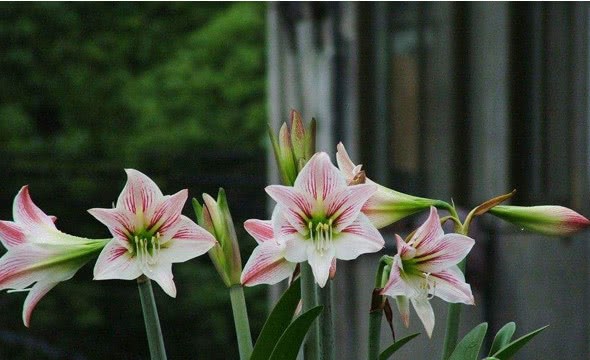
Amaryllis comes in rich colors. Its flowers are beautiful and it is very popular in daily life. Its biggest feature is a long flowering period, blooming almost all year round, and it has very high ornamental value. Follow along with the editor to take a look at the amaryllis care guide.
Temperature
Amaryllis likes a warm and humid climate, and the suitable growing temperature is 18 to 25°C. It is not tolerant of intense heat, fears waterlogging and cold, and dislikes strong direct sunlight. In summer, place it in a cool and ventilated spot. During the winter dormant period, it is best to keep the room temperature at 5 to 10°C; below 5°C it needs to be kept warm, otherwise dormancy and next year's flowering will be affected.
Soil
Amaryllis likes sandy loam rich in humus and with good drainage. For pot cultivation, choose a flowerpot of suitable size, and use loose, fertile sandy loam with good drainage. You can mix leaf mold, garden soil and river sand, then add a little decomposed cake fertilizer as a base fertilizer.
Water and fertilizer
During the growing period of amaryllis, water thoroughly once and keep the potting soil moist. Do not let water accumulate, as this will rot the fresh bulb. Apply a diluted fertilizer once a month, and stop fertilizing after the flower buds form. After the flowers fade, cut off the flower stalk to avoid consuming the nutrients of the bulb. After the flowers fade, a little water and fertilizer can be applied to keep the fresh bulb plump. After autumn, reduce watering, and it is better to keep the potting soil slightly dry. In winter, move it indoors and control the amount of watering, just enough that the bulb does not wither.
Pruning
Amaryllis grows relatively fast, with long and dense leaves. When repotting or changing the soil, cut off withered leaves, dead roots, and roots and leaves affected by pests and diseases, leaving the vigorous leaves. After the flowers fade, cut them off promptly from the base of the flower scape to avoid consuming nutrients within the plant and to encourage new flower scapes to sprout.
Pest and disease control
To prevent pests and diseases from affecting the vigorous growth and early flowering of amaryllis, spray pesticide once a month. Spray the pesticide around 9 a.m. and 4 p.m. on sunny days; do not spray under the strong midday sun, as this will affect the efficacy of the pesticide.
The above are the cultivation and management techniques for amaryllis flowers. In the editor's view, amaryllis has rich flower colors and is very suitable for pot cultivation. Friends who are interested can try planting it.