Causes of Corky Fruit in Tomatoes and How to Prevent and Treat It
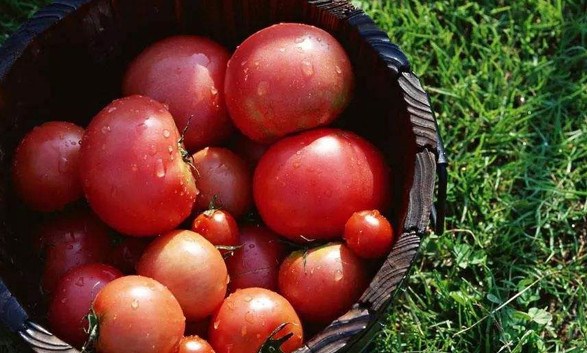
Tomatoes are a fruit and vegetable that people commonly grow, and I think you must have encountered quite a few tomato diseases when growing them. So, do you know what's going on with corky fruit in tomatoes? If not, you can follow along with the editor to look at the prevention and treatment methods.
In China, the area planted with tomatoes is growing larger and larger, and the varieties are also constantly increasing. We can eat tomatoes almost all year round. However, in greenhouses or open fields where tomatoes have been grown for a long time, various diseases gradually appear during the growth process, and among them, corky fruit in tomatoes is one of the hazards affecting tomato quality and yield.
I. Symptoms of Corky Fruit in Tomatoes
It mainly shows as the tomato skin becoming hard, the fruit being small with an irregular shape, and the fruit surface having brown spots and cracks of varying depth. Corky fruit in tomatoes is mainly caused by boron deficiency in the plant.
II. Analysis of the Reasons Why Corky Fruit in Tomatoes Occurs Frequently
1. Long-term use of chemical fertilizers leads to soil acidification and a deficiency of boron in the soil.
2. Some vegetable growers like to treat the soil with lime when changing crops. Applying excessive lime to the soil can easily cause boron deficiency.
3. Low organic matter in the soil leads to boron deficiency in the plant.
4. Excessive application of potassium fertilizer limits the plant's absorption of boron.
5. Under high temperature conditions, tomato plants grow vigorously, and boron has poor mobility within the plant. Boron cannot be distributed to the parts that urgently need it in time and sufficiently, causing localized boron deficiency.
III. How to Prevent and Treat Corky Fruit in Tomatoes
1. Fertilize reasonably to prevent soil acidification or alkalization. You can use Fugen biological bacterial fertilizer or basal fertilizer super energy to regulate the soil, and reasonably apply chitin-based, seaweed acid-based, and microbial agents by irrigation to improve the soil.
2. If the soil is deficient in boron, more organic fertilizer should be applied. This can make the soil fertile and promote root expansion while strengthening the roots' absorption of boron.
3. Water reasonably. The principle of watering is to ensure the plant's water supply and prevent the soil from being too dry or too wet, so as not to affect the roots' absorption of boron.
4. Regularly spray the plants with Niucui calcium boron at 750-1500 times dilution to prevent boron deficiency in the plants.
Corkiness in tomatoes is a common phenomenon, and the vast majority of cases are due to insufficient nutrients and a lack of boron. Therefore, everyone must pay attention when growing them, otherwise it will seriously affect the quality of the tomatoes.