Growing orchids with the help of a cat: plump orchid shoots and fragrant flowers bring new insights for orchid growing
When it comes to growing orchids, orchid owners have no shortage of tricks. They say the real experts are among the common people. This little gardener knows an orchid owner whose approach is different: while others grow orchids by collecting all sorts of things, he grows his orchids with the help of the cat in his own home. This is the most interesting orchid-growing method this little gardener has ever heard of. Let us take a look together.
1. Growing orchids with the help of a "cat"
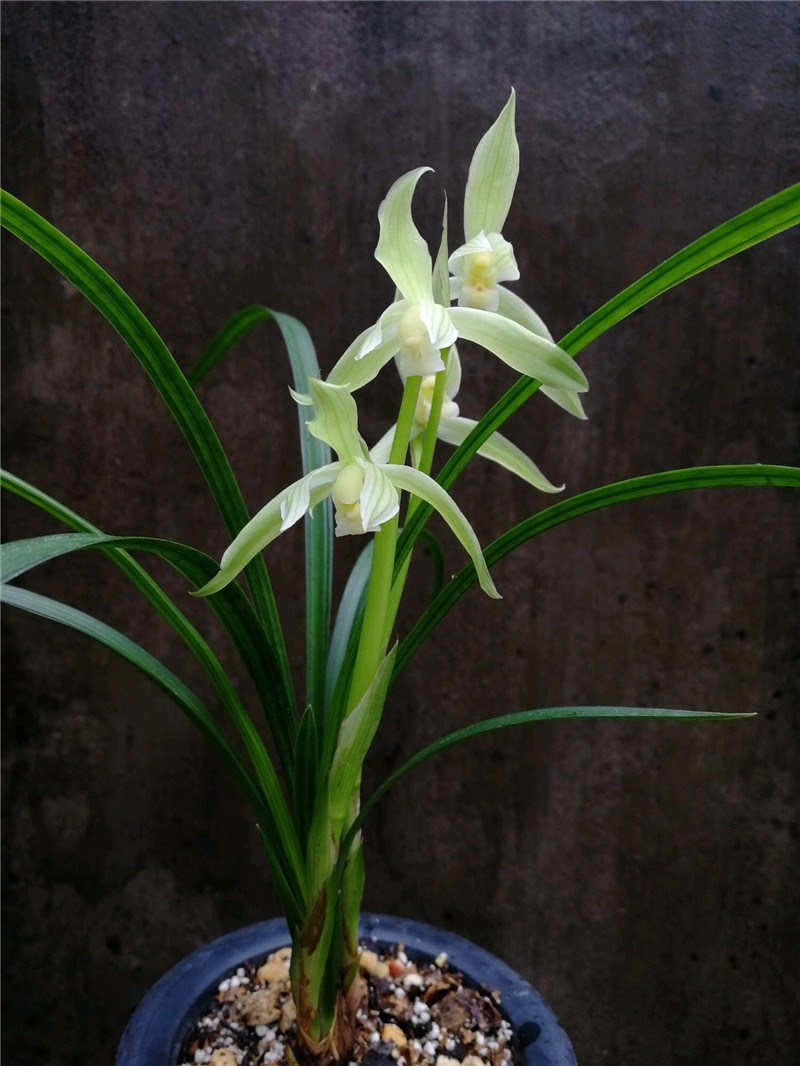
This flower owner grows a pot of Cymbidium goeringii 'Chunjian' (Spring Sword) in his yard, and he keeps a cat at home. This cat often goes into the yard to play. There is a corner in the yard, which is where it poops. Over time, with wind, rain and sun, the soil in that spot slowly turned "black", which shows that the soil there had more and more nutrients.
What does this have to do with growing orchids? When he grows orchids, after putting a layer of granular material at the bottom of the pot, he puts on a layer of this cat-manure soil, then continues to add his orchid bark mix. Do not underestimate this soil. The orchid owner says that after using it, the orchids do not need fertilizing for several months, and their flowers are more fragrant than before.
2. Two "new insights" for growing orchids
This gives us one insight for growing orchids: when we care for them, if we bury a little base fertilizer in the spot, then the need for early-stage fertilizing is avoided. In everyday care, if no base fertilizer is used, then during the growth period we should supplement with an organic nutrient solution that strengthens roots and promotes shoots, and switch to an organic nutrient solution that promotes and preserves flowers before the flowering period. Targeted fertilizing gives better results.
However, something heartbreaking also happened recently: his cat accidentally knocked over the orchid pot, and the pot broke. I asked why he did not use a plastic pot. He said plastic pots have very poor breathability and drainage, and they also absorb heat in summer. When growing orchids outdoors, it is best to use breathable pots such as purple clay pots (zisha pots) or earthenware pots. Orchid owners can learn from this point too.
When caring for orchids, learning to use local materials is the key first step. The next step is learning to adapt to local conditions. That way, you will be an expert orchid grower. Growing orchids with a cat, you never thought of that, did you?