Why do roses still lack magnesium despite so much fertilizing?
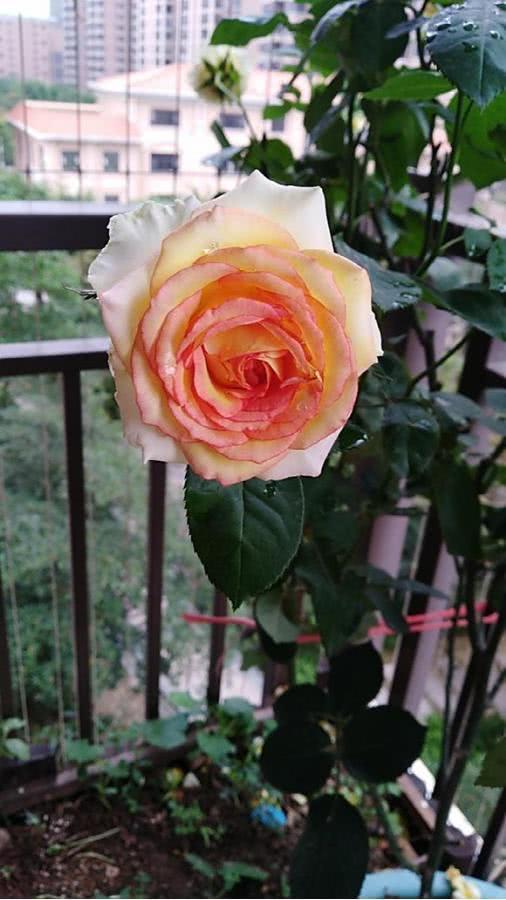
Roses need nitrogen, phosphorus, and potassium fertilizers, and every flower lover has surely heard this. So when fertilizing normally, people tend to focus on applying these three elements. But fewer people know that roses can also lack an element called magnesium. So what symptoms appear when roses lack magnesium?
For example, if a rose variety that should grow fast, develop strong roots and stems easily, and be easy to grow and keep alive shows no good growth at all, and instead frequently shows some baffling symptoms. Of course, at first you cannot tell what exactly is wrong with the rose. You need to get the most basic care right before you can rule out causes.
First, roses must not sit in waterlogged soil, so think back to the recent watering of your roses and whether you have been watering too much, for example if the soil has stayed highly moist the whole time. If so, reduce the amount of watering. Second, roses must not lack sunlight. Although you need to shade roses during the hottest summer, it should not be complete shade; the most basic light for plant growth must still be ensured.
If there is no waterlogging and no lack of light, yet you still find the plant's leaves turning yellow, and this yellowing has one striking feature: the veins are green while the rest of the leaf is yellow, and the branches near the lower part have blackened areas. This situation indicates that the rose is lacking magnesium.
Many flower lovers start to wonder again: I fertilize diligently too, often applying a water-soluble fertilizer once every ten days to half a month, so how can it still lack nutrients? Because ordinary water-soluble fertilizers generally contain more nitrogen, phosphorus, and potassium, and less or even no magnesium. Especially when one kind of water-soluble fertilizer is used for a long time, it easily leads to a deficiency of some nutrient over time.
A lack of magnesium affects the plant's photosynthesis, which is why the leaves turn yellow, then gradually wither and drop, the branches blacken, growth is poor, and overall resistance drops severely. Besides these visible symptoms, the most serious symptom of magnesium deficiency is actually in the roots.
If you pull the plant up by the roots (but since we usually do not do this, it is hard to notice), you will find the root system has already rotted (not from waterlogging). Potted plants are much more likely to lack magnesium than plants grown in the ground, and potted plants whose soil mix uses peat and coconut coir are even more likely to lack magnesium.
At this point, go buy the kind of water-soluble fertilizer or slow-release fertilizer that specifically contains magnesium. As magnesium is replenished, the leaves can gradually carry out normal photosynthesis, the leaves will begin to turn green, and the newly grown leaves will also be green. If the symptoms are severe on some branches and leaves, you can prune them appropriately.