Fertilizing in-ground roses takes skill - fertilize this way for better results
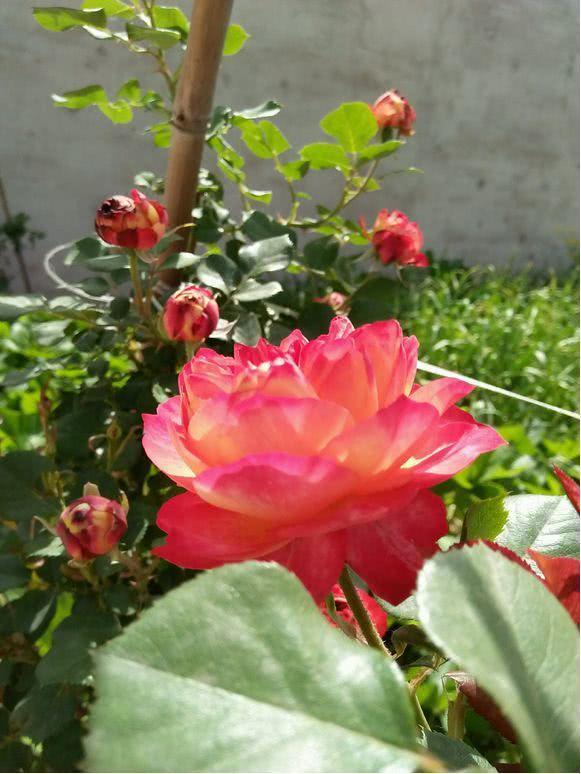
Fertilizing in-ground roses is quite different from fertilizing potted roses. The growing range of roses is limited, so fertilizing is easier to control, whereas the roots of in-ground roses can grow dozens of meters deep into the ground and can also radiate dozens of meters wide. For in-ground fertilizing, you can use some more suitable methods to improve the fertilizer absorption rate.
Take a climbing rose or shrub rose that has grown for two or three years, with branches growing four meters tall and a canopy width of three meters, as an example. If using that kind of granular nutrient solution, the usual dosage is about 100 grams. If you do not have a precise weighing device, how do you estimate such an approximate value? Just use the amount an adult can hold in one handful.
Before fertilizing, it is best to do some preliminary preparation work, for example, scoop up the surface soil around the plant within a radius of one or two meters and push it aside first. The range of soil to be scooped should be centered on the plant, and the range can be determined according to the size of the plant. Generally, about two meters is a relatively suitable range, and at least it should not be less than a range of one meter.
After completing this step, hold the granular fertilizer in your hand and sprinkle a thin layer within this range, covering it as evenly as possible. Do not sprinkle more in one spot and less in another. After sprinkling the fertilizer, take the soil that was previously scooped up and placed aside and cover it again in a thin layer over the sprinkled fertilizer within the original range.
What is the advantage of covering the fertilizer with a layer of soil compared with leaving the fertilizer directly exposed on the soil surface? Without this layer of soil covering, the fertilizer is very easily dried out by the sun, and after rain or watering, the moisture in the surface soil also evaporates very easily. The fertilizer that can penetrate into the soil along with the moisture is extremely limited, so much of the fertilizer is actually wasted.
Fertilizer covered under the soil, however, is not directly exposed to the sun, and the soil below the surface contains more moisture, which can better dilute out the nutrients and greatly improve the fertilizer utilization rate. With each watering, the nutrients can gradually penetrate downward little by little, continuously delivering to the root system.