What to Do When Rubber Plant Leaves Turn Yellow? A Few Tips to Make the Leaves So Green They Drip Oil
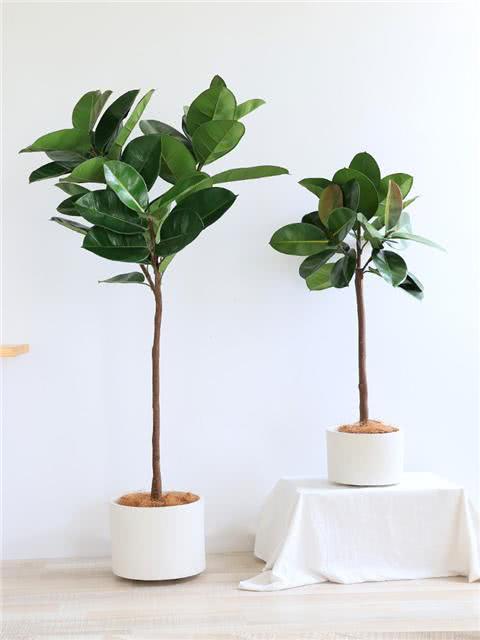
The rubber plant stays evergreen all year round, with large, fleshy leaves that have a great deal of charm. During rubber plant care, what should you do when the problem of yellowing leaves appears? Here are a few methods for you!
What to do when rubber plant leaves turn yellow?
(1). Poor ventilation will make the leaves turn yellow, so it needs to be moved promptly to a place with better ventilation. In winter, open the windows at noon to let in fresh air and keep the air fresh.
(2). If overwatering causes waterlogging and leads to yellowing leaves, drain the excess water promptly. Just keep the potting soil moist when watering; during the growing season, water once every 2 to 3 days. When the soil surface turns white, that is a sign of water shortage, so replenish water promptly. You can often mist the leaves to keep the leaf surface clean and increase air humidity.
(3). Excessive dryness leaves the leaves short of water, causing the lower old leaves to turn yellow and even drop off. Replenish water promptly according to the condition of the potting soil; you can mist the leaf surface every morning and evening to increase air humidity.
(4). When the rubber plant is short of nutrients, its leaves turn yellow. Applying raw fertilizer or concentrated fertilizer causes fertilizer burn, and the leaves turn yellow. When repotting, apply enough base fertilizer, and apply a liquid fertilizer mainly of phosphorus and potassium once every 15 days.
(5). If the rubber plant is not repotted for a long time, the soil will become compacted, with poor air permeability, water will not drain easily, and the nutrients will be used up, so the leaves will easily turn yellow. Repot promptly; generally repot in spring, promptly remove the yellow leaves, prepare fertile soil, and after repotting, water to keep the potting soil moist. Loosen the soil once every 15 to 20 days.