Gardenias and jasmine love watermelon rind, so don't throw away the leftovers
When summer comes, only air conditioning and watermelon are truly worth it. With them, you can happily make it through the summer. Today we're saying that the leftover watermelon rind shouldn't be thrown away either. Using it to grow flowers is both handy and money-saving. Below, let's take a look at exactly how to do it!
1. Watermelon rind enzyme liquid
The flesh on the watermelon rind contains a fair amount of sugar, which can help the rind ferment faster. Then find a clean plastic bottle, put the cut watermelon rind into the plastic bottle, then add clean water, but not too full. You can add a certain amount of orange peel to the bottle, which can soften the odor produced by fermentation. When sealing it, don't seal it too tightly, to avoid the bottle exploding. Generally, at the current temperature and conditions, it can ferment well in about one month. After fermentation is complete, dilute it with water and you can use it to water flowers. The effect is very good.
2. Making nutrient soil
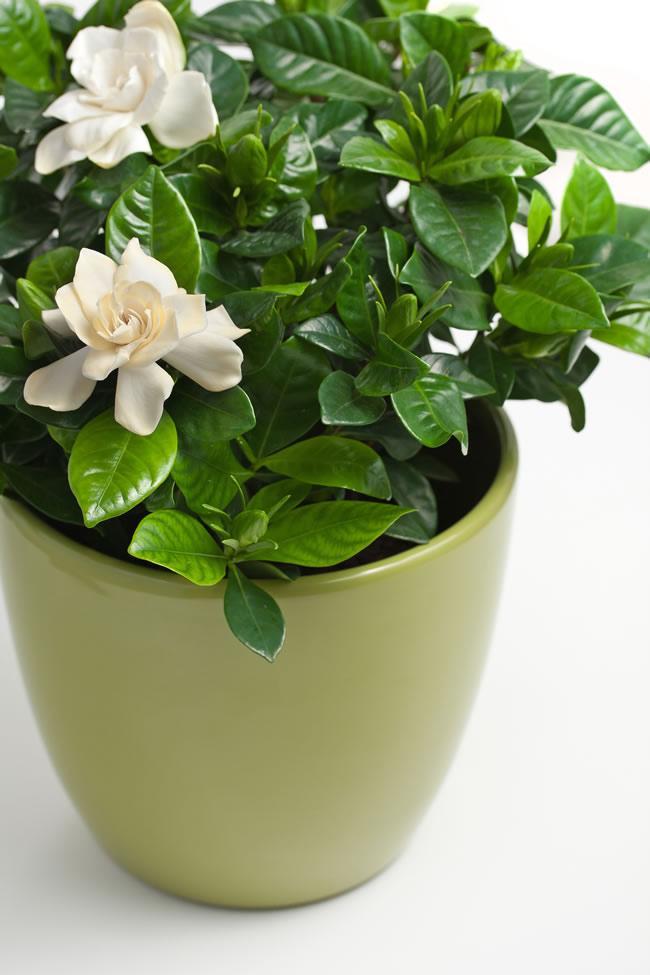
Cut the watermelon rind into small pieces, then prepare a few plastic bags. Now add a layer of garden soil to the plastic bag, then add a layer of watermelon rind, then add another layer of garden soil. Just keep adding layer by layer like this, then seal the bag well and put it in the light to let it ferment naturally. The nutrient soil made with watermelon rind is acidic, which is very suitable for caring for acid-loving flowers such as gardenias and jasmine.
Besides being used to make flower fertilizer, watermelon rind can also have the red flesh scraped off, then the rind can be put into a juicer and squeezed into juice, then the residue filtered out. When you have heat rash on your body, you can use it to apply on it, and generally it takes effect after a few times.