What to do about soil compaction? Learn these improvement methods quickly
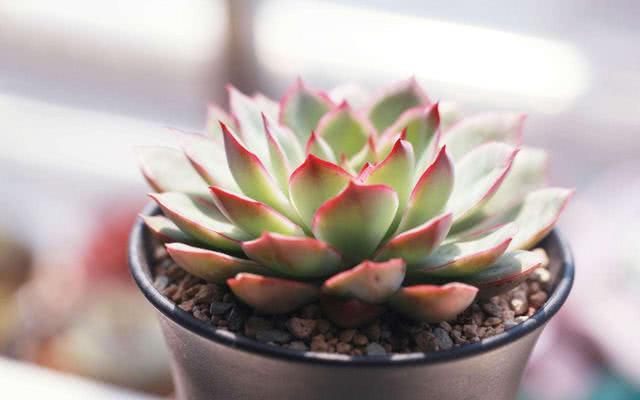
These days, more and more of us grow a few potted plants at home. And at school, students in dorms also grow succulents. Many people say the potted plants they keep at home have developed soil compaction. What is the problem? When growing flowers, soil comes first. If you choose poor soil, you won't just harm the plants, you'll harm yourself too. You'll end up, in hopes of making your succulents grow better, holding yourself responsible for the wrong choices you made, desperately trying to save the plants, improving the soil, troubling yourself, tormenting yourself, and in the end the plants may still die, all for nothing.
We basically all buy succulents online, and the sellers will give us a soil mix for planting. It's said to be a fairly balanced, fertile soil, so this kind of soil is less likely to compact. The probability is relatively low, but soil compaction can still happen, even if it's only a small portion. So under what circumstances does soil compaction occur? It's because some soils lack certain important mineral elements or organic matter, and then the soil becomes very easy to dry out. After drying out, the soil very easily hardens, and then the growth and development of succulents will be affected. So what methods do we have to solve this?
So let's learn the following methods. If we choose to mix our own soil, then we must try as much as possible to match the ratio according to the characteristics of the succulents themselves when mixing the soil. To reduce the rate of soil compaction, we can add some tiny particles or substrate to the soil. This method is quite effective.
We must always remember not to use loess. We've also heard of the Loess Plateau; the soil compaction rate of loess is extremely high, and loess is not suitable for growing plants. It has an impact on the growth of succulents. When mixing soil, we must remember to add some particles to the soil; sand or crushed stone will also do. If your soil has already become compacted, then we just need to add planting material to the soil in time.
When watering succulents, try not to use tap water. Tap water contains quite a few minerals, and it has also been treated with chemicals, so tap water contains chemicals that are bad for plants as well as substances that are bad for the soil. Then soil compaction will easily occur. The bleaching powder in tap water will cause soil compaction; this is the key point. So if we use tap water for watering, then we need to put the potted plants out in the sun. These methods can also prevent soil compaction.
From time to time we should also loosen the soil for the potted plants. If we never loosen the soil for succulent pots, then soil compaction will also occur. But if we have loosened the soil, this basically won't happen. Moreover, this can keep the soil permeable, which helps the growth and development of the plants. It can also let the plants absorb some nutrients. So loosening the soil for the plants from time to time is very helpful for succulents. Soil compaction is not scary; what's scary is whether we can prevent it and whether we can deal with soil compaction in time.
The above are the solutions I have personally summarized. Soil compaction is a very bad phenomenon. When growing flowers and plants, we must pay attention to the choice of soil; this is the most important thing. The editor is not a professional, and if there are any mistakes, I accept corrections.