Grow osmanthus this way for lush green leaves and branches full of blooms
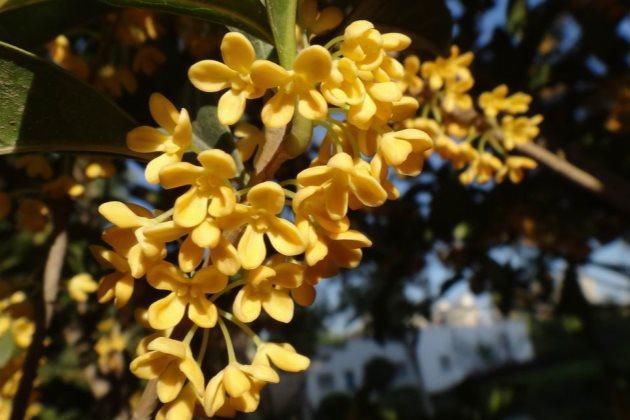
When the osmanthus tree blooms, its fragrance is rich and elegant, bringing a refreshing and invigorating feeling. Therefore, the osmanthus tree is a very common landscaping tree, and in recent years there are also many artificially dwarfed osmanthus potted plants. Growing them on a balcony or windowsill at home can create a very good decorative effect.
With the improvement of people's living standards, osmanthus is used in more and more residential communities, and its role in landscaping and beautification is becoming more and more obvious. Many gardening enthusiasts also choose to buy or grow some osmanthus bonsai themselves to green and beautify their small balcony gardens. However, many enthusiasts find after growing them for a period of time that their osmanthus trees are not growing ideally. What causes an osmanthus tree to grow poorly? Today Hua'er Gu will briefly introduce how to grow osmanthus trees!
Overall, the osmanthus tree likes to grow in a warm environment, and the soil should be relatively fertile while also having good air and water permeability. When osmanthus grows in poor soil, it becomes relatively weak, with sparse branches, small and yellowish leaves, and few or no flowers during the blooming period. Below we will introduce in detail the various environmental conditions suitable for osmanthus growth!
1. Soil environment
Fertile and deep soil can meet the osmanthus's needs for various nutrients required for growth. At the same time, good soil aeration and drainage can prevent waterlogging in potted osmanthus, avoiding yellow leaves, root rot and similar problems.
Therefore, we can use fertile garden soil or leaf mold for growing osmanthus trees. When using garden soil, some leaf mold can be added appropriately. We suggest one part leaf mold and one part garden soil is suitable. This kind of soil has a very good effect on drainage performance, and the nutrients are also very sufficient. Growing an osmanthus tree in it can make it thrive with lush branches and leaves. During the blooming period, it can promote more flowers and a richer fragrance. In addition, we can also choose sandy loam, or peat soil plus garden soil.
2. Temperature environment
The optimal growing temperature for the osmanthus tree is around 20-30°C. When the temperature is higher than 30°C, growth and development will be somewhat inhibited, and when the temperature is higher than 35°C, growth may stop. When the temperature is lower than 10°C, growth will also stop, and when the temperature is lower than 0°C, frost damage will occur, causing branches to wither and leaves to drop.
Therefore, if conditions permit, we can keep the temperature between 20-30°C. In summer, shade is needed to avoid the soil drying out completely due to high temperatures. In winter, cold protection and warmth are needed to prevent frost damage.
3. Water environment
The osmanthus tree is not tolerant of waterlogging, which easily leads to root rot and yellowing and dropping of leaves. The osmanthus tree is also not tolerant of drought, and long-term water shortage will cause leaves to dry up, branches to become weak, and poor plant growth.
Therefore, watering the osmanthus tree needs to be timely, and watering should follow the principle of watering when dry and stopping when wet. Prevent excessive water while also taking care not to let it stay dry for too long.
4. Nutrient environment
Most of the nutrients for the osmanthus tree's growth come from the potting soil, so a pot of fertile potting soil is very suitable. But if our potting soil lacks certain necessary growth elements, it will also lead to poor growth. For example, no flowers during the blooming period, few flowers, long-term yellowing of leaves, and so on.
Therefore, necessary nutrient supplementation is an important source for promoting good growth of the osmanthus tree. Before the blooming period, we can appropriately add some phosphorus and potassium fertilizer, which can promote flower bud differentiation and enhance the plant's resistance to pests and diseases. Usually, we can also use compound fertilizer or fertilizer cake water, following the principle of light but frequent fertilization to supplement nutrients.
5. Pruning and care
When the osmanthus tree grows to a certain extent, it will lose its beauty, and at this time we need to prune appropriately to enhance its beauty. Pruning can also promote the sprouting of new branches and buds, allowing the osmanthus tree to grow more luxuriantly. Pruning before the blooming period allows more nutrients to promote flowering.
Therefore, our daily care requires necessary pruning and maintenance. Prune away some leggy branches to maintain the plant's beauty, prune away dead branches and diseased leaves to prevent the spread of pests and diseases. Thin out some relatively dense branches to enhance internal ventilation and light penetration, which can make the plant grow more luxuriantly!
The above are some methods and tips on how to grow osmanthus introduced to you by Hua'er Gu. If you can skillfully combine the above operations reasonably, then our osmanthus bonsai will grow very luxuriantly, and during the blooming period it will be full of flowers and green leaves!