Orchids Hard to Grow in July? Do These 5 Protections and Care Becomes Easy
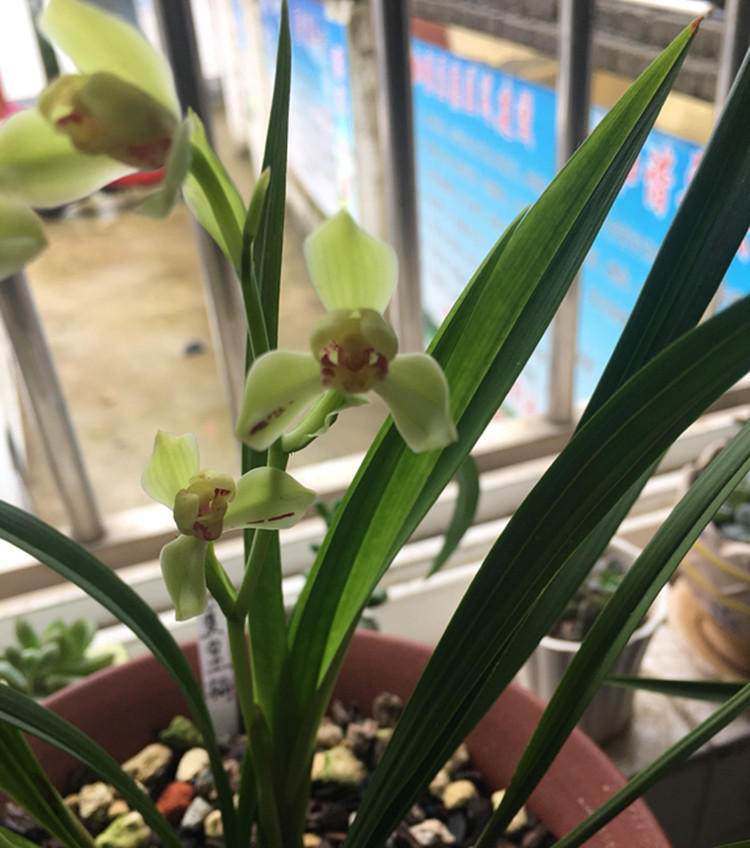
As the saying goes: "Raising orchids in July is hard," because July's weather brings high heat and high humidity, with blazing sun one moment and heavy downpours the next, and orchids fear this kind of weather most. Therefore, if you want raising orchids in July to become easy, you must do well at these "5 protections": sun protection, preventing dryness and waterlogging, preventing high temperatures, preventing disease and pests, and preventing typhoons.
July has two solar terms, Minor Heat (6th-8th) and Major Heat (22nd-24th), and enters the high-temperature period, with an average monthly temperature above 30°C. It is the hottest month of the year, with more than 2/3 of the days being sunny days of blazing sun and unbearable heat. Therefore, the most important work in July is to strengthen shading, using a shade net with a shading rate of about 70%, and only rolling up the curtain when the sunlight no longer reaches the orchid leaves.
In addition, do the following "5 protections" well:
1. Sun protection
Because the weather is extremely hot, ventilation and cooling of the orchid house must be strengthened, and this is the top priority of orchid care in July. In muggy weather, exhaust fans, miniature electric fans and the like can be used to stir the air with a gentle breeze and promote air circulation. At the same time, sprinkle water on the ground often to lower the temperature and prevent the extreme heat from harming the orchids. But try not to douse the orchid plants with water, and be cautious about turning on the sprayer, so as to avoid excessively high humidity creating conditions for viruses and bacteria to multiply.
2. Preventing dryness and waterlogging
If it is hot and dry with little rain, the potting soil can easily dry out all the way through, so pay attention to keeping the potting soil moist; water thoroughly, and increase the frequency. Water from the edge of the pot; do not use the soaking method to water, and spray or mist as little as possible, so as to avoid water entering the heart leaves and causing rot. But the potting soil must not stay too wet for a long time, to prevent root rot, stem rot, soft rot and rotten shoots. Water management is also a key part of orchid care in July.
3. Preventing high temperatures
In July's high temperatures, if growers want to fertilize, try to use organic liquid fertilizer specially made for orchids, diluted 500 times and watered onto the roots, once every half month. If the temperature keeps rising, the fertilizing method is best done by spraying foliar fertilizer. You can alternate using 1000 times diluted orchid organic liquid fertilizer plus 0.1% monopotassium phosphate to supplement nutrients, promote vigorous growth, and grow large and strong seedlings, laying the foundation for sprouting and blooming next year.
Generally speaking, if you spray foliar fertilizer on the orchids in the evening, you should wash the leaves the next morning, to prevent fertilizer remaining on the leaf surface from being exposed to high temperatures and sun and causing harm to the seedlings, and it can also speed up the absorption rate of the orchid leaf surface.
4. Preventing pests and diseases
When raising orchids in July, all kinds of pests and diseases are most likely to occur, so pest-killing and sterilization work cannot be relaxed. For scale insects, use chlorpyrifos-methyl; to wipe out red spider mites, it is best to use hydrazine mite pyridazine. July is also a high-incidence period for soft rot, stem rot, brown spot and anthracnose, so disease prevention work must be done well. For sterilization and disease prevention, spray kresoxim-methyl once a week to prevent bacterial and viral infection. In addition, choose a cool evening to apply the pesticide, and the solution should not be too concentrated, to prevent phytotoxicity.
5. Preventing typhoons
Typhoons already appear in July, so do the preparatory work for typhoon prevention well, to prevent typhoons from blowing over pots and bowls and breaking orchid leaves. Take rain-sheltering measures to prevent super-heavy rainstorms from striking and causing losses. In addition, in July's high temperatures, never repot, change the soil or divide the plants; even if you need to introduce new plants, it is best to wait until around the Autumn Equinox.