Six Scientific Breeding Techniques You Must Know for Raising Deer
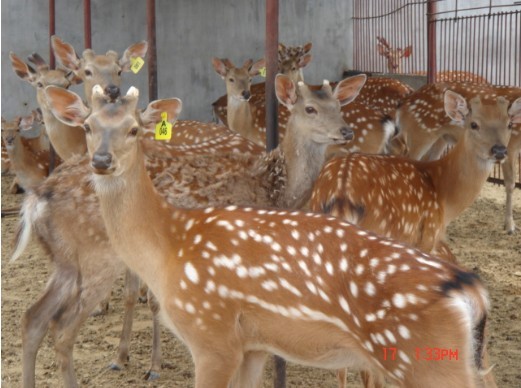
1. Deer are herbivorous ruminants, so green and coarse feed should be the mainstay, with concentrated feed as a supplement. Deer have a broad feeding habit and can consume the branches and leaves of many shrub plants, various agricultural and sideline products, and silage, etc.
II. Feed all kinds of feed at fixed times and in fixed amounts every day to promote the digestion and absorption of various feeds by deer; otherwise, it will disrupt the deer's feeding pattern, cause digestive dysfunction, and affect their growth and development.
III. In summer and autumn, deer should mainly consume green coarse feed, while in winter and spring, stored feed and concentrated feed must be added. When feed is changed, the new feed should be increased gradually so that the deer's digestive function can adapt step by step; otherwise, various gastrointestinal diseases will be triggered.
IV. After feeding, deer drink a large amount of water and drink frequently, so the water supply must be sufficient. Especially in summer, the water supply should be increased, and in winter it is advisable to provide warm water.
V. Deer are extremely sensitive in their nerves and often prick up their ears to listen for sounds. At the slightest movement, they jump and dart about wildly, and some may even leap over the enclosure walls. Therefore, the barn should usually be kept quiet, and the keepers should move gently and not talk loudly.
VI. Deer farms or individual deer-raising households must establish a strict hygiene and epidemic prevention system, with disinfection pools at the entrances and exits. Feed and drinking water must be clean and hygienic, and the pens should be cleaned frequently and kept dry. Water troughs and feed troughs should be disinfected regularly to completely eliminate the occurrence of diseases.