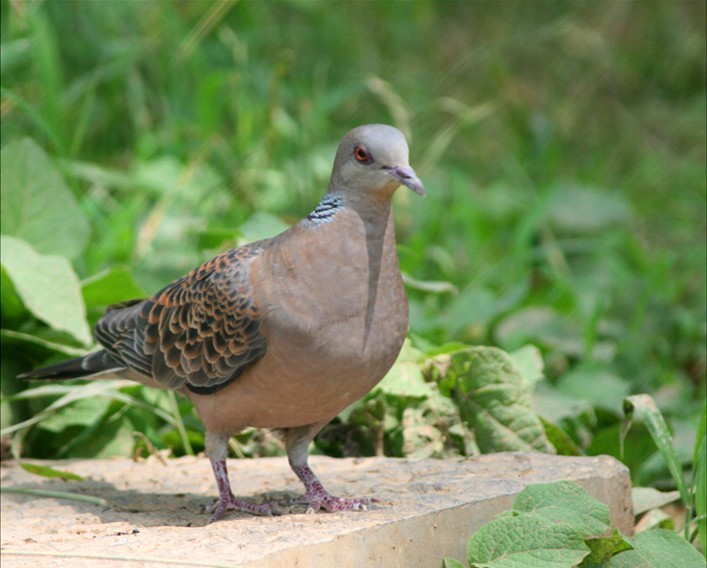
1. Egg laying: Wild breeding birds generally mate and lay eggs in spring and autumn. In captive breeding, you can inject the female bird with estrogen to bring it into heat within a short period, so that it can lay eggs every month.
2. Incubation: Collect the eggs after laying and place them in an incubator for artificial incubation. During incubation, adjust the temperature and relative humidity. Ensure a hatch rate above 98% (turtle doves rarely have unfertilized eggs).
3. Chick management: When the chicks have just hatched, keep them warm and let them drink water promptly. Use a potassium permanganate solution at a concentration of 2 parts per 10,000 as drinking water, and replace it every 4 hours. After hatching, chicks generally show feeding behavior within 6 to 8 hours. It is best to choose small, easy-to-digest foods such as millet or broken rice, and chick pellet feed can also be used. After 1 week, 20% barnyard grass seed, rice grain and other plant seeds can be added to the feed ratio. After 2 weeks, various plant seeds such as barnyard grass seed and rice grain can be fed. Because artificial breeding density is high, infections are likely, so keep the cage netting hygienic, disinfect regularly, clean up droppings promptly, and carry out regular disease prevention. Sick birds found should be isolated and treated, dead birds should be buried deep or burned, and all birds in that cage netting should be disinfected. Turtle doves have a very short growth period; generally by 4 to 5 weeks of age they can grow into birds for sale, and after 4 months they reach sexual maturity.