How to grow a Money Tree? Master these 2 tips for vigorous growth
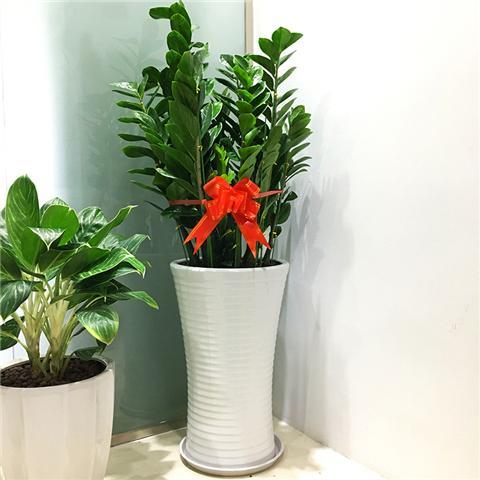
The Money Tree is a common foliage plant in homes; with proper care, it stays evergreen all year round. During care, you need to master the methods of watering and fertilizing so that the Money Tree grows lush branches and leaves with thick, plump foliage. Let's take a look below!
1. Watering methods for the Money Tree
(1). In spring and autumn, when the temperature is suitable for the Money Tree, water appropriately according to air humidity; generally, watering once every half a month or so is enough.
(2). In summer, with high temperatures and rapid water evaporation, you need to increase both the amount and frequency of watering, watering about once a week. When the temperature is above 33°C, spray water once a day to lower the temperature and increase air humidity. Keep it in a well-ventilated place to avoid root rot caused by waterlogging.
(3). In winter, control watering and keep the potting soil on the drier side, which helps the plant overwinter safely. You can replace watering with misting, which can increase the humidity of the surrounding air and make the leaves glossy green and bright.
(4). Watering should be done not only according to the climate and weather conditions, but also according to how dry or wet the potting soil is. When the soil surface turns white, it indicates a lack of water and timely watering is needed to maintain moisture. But do not water too much; just a small amount flowing out of the drainage hole at the bottom of the pot is enough.
2. Fertilizing methods for the Money Tree
(1). The Money Tree is a fertilizer-loving plant. In addition to applying sufficient base fertilizer when repotting and planting, fertilize it appropriately according to different climates and seasons. At temperatures of 22-32°C, apply fertilizer once about every 10 days. When the temperature is above 32°C or below 22°C, reduce the fertilizing frequency to once every half a month. When the temperature is below 15°C, stop fertilizing to prevent cold damage.