3 kinds of flowers enter dormancy in summer, water and fertilize less to let them get through summer easily
As summer arrives, many flower lovers are especially afraid that their potted plants will struggle to get through the summer, so they are extra careful with them, often watering and fertilizing, hoping they can get through summer better, only to find them dead within a few days.
To grow flowers you must understand flowers. Some plants can take more watering and fertilizing, but some flowers that enter dormancy in summer will die if watered and fertilized too much. Especially these 3 kinds of flowers: in summer, pay attention to watering and fertilizing, disturb them as little as possible during summer, let them "sleep soundly" and get through summer easily.
1. Kalanchoe (Kalanchoe blossfeldiana)
When the temperature exceeds 30°C, kalanchoe enters dormancy, stops growing, its absorption capacity drops, and its resistance also drops. Too much watering can easily cause black rot; too frequent fertilizing can also cause root burn.
So in summer, keep it appropriately dry, and water thoroughly only when the potting soil shows signs of turning white and cracking; you can apply a little diluted liquid fertilizer, then place it in a cool, ventilated spot for care, so it can safely get through summer.
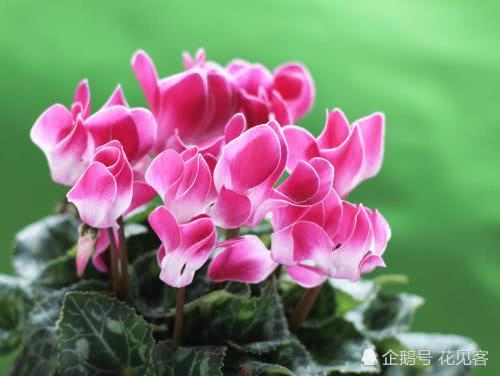
2. Cyclamen (Cyclamen persicum)
Cyclamen also enters dormancy when the temperature exceeds 30°C. The first thing to do is prune it to avoid consuming too many nutrients. During this dormant period you can stop fertilizing, and water very little too, usually by the soaking method: after the potting soil has almost completely dried out, place it in a shallow basin of water and let the water enter the pot through the bottom holes to provide moisture to the cyclamen.
3. Clivia (Clivia miniata)
Clivia is a flower many flower lovers like, but caring for it in summer is a real headache, as yellow leaves and root rot easily occur. When the temperature exceeds 30°C it enters semi-dormancy or dormancy, and at this time it should be placed in a cool, ventilated spot with a little scattered light for care.
In summer, clivia can be given a little of its special nutrient solution, or fertilized by foliar feeding, spraying some monopotassium phosphate or superphosphate. Water about once every 5-7 days, and before watering it is best to add a drop of ferrous sulfate to improve the water quality.
That is all for the introduction of these 3 kinds of flowers for summer care. If flower lovers have other additions, you can share them with everyone in the comments section below. To learn more about growing flowers, you can follow Huajianke!