A Detailed Guide to Edible Mushroom Storage and Fresh-Keeping Techniques and Practical Methods
After edible mushrooms are harvested, assimilation has stopped, and respiration directly or indirectly affects various physiological and biochemical processes, and therefore also affects changes in storability and disease resistance. How to continue maintaining the characteristics of fresh products is the problem that edible mushroom storage and fresh-keeping must solve. The first method used for fresh-keeping of edible mushrooms was low-temperature treatment. In recent years, research has also been carried out on controlled atmosphere storage, radiation fresh-keeping, and chemical preservation. These are described separately below.
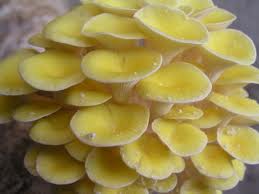
Storage and Fresh-Keeping Techniques for Edible Mushrooms
I. Low-Temperature Fresh-Keeping
The principle is that within a low-temperature range where freezing does not occur, lowering the ambient temperature inhibits the respiratory metabolism of fresh edible mushrooms, enabling the product to maintain its freshness and quality for a certain period of time, and inhibiting the activity of spoilage microorganisms.
As is well known, the mushroom cap has no obvious surface protective structure, so water evaporates very easily. Therefore, the respiration and transpiration of mushrooms after harvest are very intense, making them one of the physiologically most perishable and aging-prone vegetables. Experiments have shown that within 24 h, 100 kg of mushrooms releases 2215 kJ (kilojoules) of energy at 10°C, while at 0°C only 627 kJ is released. The respiration intensity of mushrooms at 10°C is 3.5 times that at 0°C. Many studies have shown that the suitable temperature for low-temperature storage of mushrooms is 0-3°C, and the optimal cold storage temperature is 0°C. At this temperature, the storage period of the button mushroom (Agaricus bisporus) can reach 30 days.
Four to 5 h after the straw mushroom (Volvariella volvacea) is picked, the proportion of caps opening reaches 20%-30%. Therefore, after harvest it is best to send them to a cold storage room at 15-20°C within 1 h, which can improve the fresh-keeping effect and allow storage for 3-4 days. Under normal circumstances, the cold storage temperature for straw mushrooms must not be lower than 10°C, and 15-20°C is suitable. When the straw mushroom production area is very far from the factory, the production-area pre-boiling method can be used. Wash the straw mushrooms and boil them in boiling water for 10 min; adding 2% salt during boiling can help the straw mushrooms maintain freshness. They can be stored at 0-4°C for 1-2 days with little change in quality. They can be stored at -18°C for 7 days. If the straw mushrooms cannot be processed in time, when the storage temperature is 0-4°C, they should not be stored for more than 12 h. If stored for more than 24 h, the straw mushrooms become noticeably soft and a large amount of brown liquid seeps out. The production of this liquid is related to the peroxidase contained in straw mushrooms.
For enoki mushroom (Flammulina velutipes), dry-ish management should be carried out 3 days before harvest, and harvest should be appropriately advanced by 1-2 days. After harvest, because enoki mushrooms are attached to nutrient-containing mycorrhizae, their life activities are still very vigorous, and they are prone to aging, discoloration, deterioration, and off-flavors. Enoki mushrooms can be stored at 4-5°C for about 5 days; if kept for more than 7 days, the color of enoki mushrooms turns yellow and the flavor also deteriorates. Of course, they can also be stored frozen. Treat enoki mushrooms in boiling water for 8 min, quickly cool them with cold water, and then store them frozen below 0°C.
The cold storage temperature for fresh shiitake mushrooms (Lentinula edodes) should be controlled above 0°C and below 4°C. This is because when the temperature reaches above 5°C, the tissues of the mushroom body remain active and the caps easily open, while below 0°C they will freeze and quality will be affected. The stem-trimming process should only be carried out 8-10 h before fresh mushrooms are shipped. If the stems are trimmed in advance, they easily turn black, affecting quality. Therefore, before shipment, manpower must be concentrated for a rush stem-trimming. The length of the mushroom stem is generally 2-3 cm. After stem trimming, the pure mushroom rate is about 85%. Then they continue to be put into storage until they are packed for shipment.
II. Controlled Atmosphere Storage
Controlled atmosphere storage is a method of storage and fresh-keeping carried out by controlling the gas composition in the storage environment and the appropriate storage temperature. Its fresh-keeping effects mainly include: under controlled atmosphere conditions, inhibiting the intensity of respiration, thereby reducing the rate of consumption of the edible mushrooms' own nutrients, inhibiting the formation of ethylene in the edible mushroom body, delaying the process of ripening and senescence, inhibiting the reproduction of harmful microorganisms, reducing losses from decay, and increasing the marketable rate.
The key to controlled atmosphere storage technology lies in forming and maintaining the suitable gas composition required by edible mushrooms in the storage system. The initial gas composition in the storage system is the atmosphere, that is, containing about 21% oxygen, about 78% nitrogen, and approximately zero carbon dioxide. To achieve a controlled atmosphere state in the storage system, the first step is to try to reduce the oxygen concentration and increase the carbon dioxide concentration.
When CO2 exceeds 5%, the growth of the mushroom stem and cap can be almost completely inhibited. When the oxygen concentration is below 1%, there is an obvious inhibitory effect on both cap opening and respiration. Therefore, the gas conditions required for mushroom storage are oxygen less than 1% and carbon dioxide greater than 5%.
Foreign experiments used 0.1% oxygen and 25% carbon dioxide for storage and achieved good fresh-keeping results. When using this storage method, special attention must be paid: when the oxygen concentration exceeds 1% or the carbon dioxide concentration is lower than 5%, there may be a stimulating effect on the growth of the mushroom cap, often causing the mushrooms to open their caps.