Detailed explanation of key techniques for indoor cultivation of Gastrodia elata
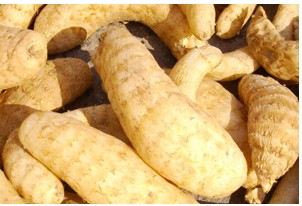
Indoor cultivation of Gastrodia elata has four advantages: first, temperature and humidity are easy to control, which can create a suitable environment for the growth of Gastrodia elata; second, it prevents weeds from proliferating; third, it is convenient to manage; fourth, the commercial tubers produced are large in size and excellent in quality. The author's cultivation experience of nearly 10 years is introduced as follows:
1. Build the beds. In the selected indoor space, use bricks to build square frames. The width and height of each square frame are each 1 m, and the length depends on the length of the room. Leave a 50 cm walkway between frames for daily management. After the square frames are built, fill the beds with soil 10-15 cm thick. When filling the soil, remove cutworms, mole crickets and other underground pests from the soil completely to prevent these pests from harming Gastrodia elata later. At the same time, the room must have windows to facilitate ventilation.
2. Carefully select seed tubers. Choose fresh white tubers and small tubers, and strictly remove seed tubers that are damaged, pest-infested, infected by miscellaneous fungi, or entangled with mycelium. Before cultivation, spread the selected seed tubers flat on the ground and cover them with moist fine soil or leaves to prevent the seed tubers from shriveling and dying. Also note that during handling they should be lifted and placed gently, and avoid mixing the seed tubers with sweaty hands.
3. Select good fungal wood. Gastrodia elata is an orchid plant and cannot produce nutrients by itself; it must live symbiotically with Armillaria mellea to obtain nutrients for reproduction and growth. Armillaria mellea is a parasitic fungus, generally parasitizing dead trees and rotten wood, so when cultivating Gastrodia elata, good Armillaria mellea wood must be selected. The Armillaria mellea wood should be new fungal wood that develops normally, has mycelium tightly attached to the fish-scale notches, and is not infected by miscellaneous fungi.
4. Prepare enough leaves. Collect various kinds of leaves, except oily leaves (such as pine, fir, cypress, etc.), and semi-decomposed leaves are especially best. When collecting leaves, never collect leaves infected by various molds, so as to prevent miscellaneous fungi from entering the beds, spreading, and causing the seed tubers of Gastrodia elata to rot.
5. Cultivation method. In the built beds, first scatter a layer of leaves, preferably 10-15 cm thick, then place the Armillaria mellea wood on the leaves, arranging the fungal wood in an "I" shape, and according to the length of the fungal wood, place 1 seed tuber every 8-10 cm, then fill the gaps between the fungal wood with leaves and cover it with leaves 20 cm thick. Sow the 2nd layer in the same way, but the fungal wood should be offset from the 1st layer, and finally cover with leaves until level with the bed frame opening. The cultivation time is generally preferably from October to March of the following year.
6. Management measures. (1) Water regularly, generally once every 10-15 days, and water gently; never splash, so as to avoid excessive moisture causing the seed tubers of Gastrodia elata to rot; (2) Control the indoor temperature well, keeping the room temperature between 20°C-25°C, and at the same time ensure indoor ventilation; (3) Prevent rats from burrowing and stealing the seed tubers to eat; (4) In the late stage of enlargement, that is, the mature stage, Gastrodia elata must be checked once every 5-7 days. If arrow tubers and white tubers are found to have turned yellow, some have rotten holes, and the Gastrodia elata is entangled by Armillaria mellea, it indicates that the Gastrodia elata can no longer grow and must be dug and processed in time, otherwise it will rot.