Detailed Explanation of Key Techniques for Polyculture of Grass Carp and River Snails
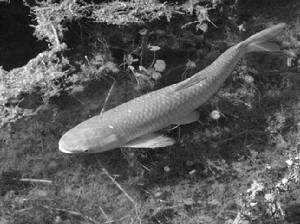
In the polyculture of grass carp and river snails, feeding only green grass without any other feed ensures the normal growth of both grass carp and river snails, making the grass carp plump and the river snails abundant. Because grass carp eat green grass, their droppings are high in protein, organic matter, cellulose and vitamins, making them excellent feed for river snails. With this farming method, the water quality will not be polluted and remains clear year-round. The fish and snails produced are clear-water fish and clear-water snails, free of any toxic or harmful substances. They are clean, have good meat quality, firm texture and a rich meaty aroma. This is a genuinely clean aquaculture method. The polyculture techniques for grass carp and river snails are as follows:
I. Pond construction. For the polyculture of grass carp and river snails, the water depth should be maintained at 1-1.5 m, with a supply of running water that is free from pollution. It is best to use mountain stream water or spring water emerging from the ground, and the water should not flow through fields planted with rice, corn or other crops where molluscicides or herbicides are used. Building the pond in a mountain valley field is preferable. The pond should be built in late winter or early spring, with the pond embankment about 1.5 m high. The pond bottom should be flat, with a layer of loose, fertile soil about 8-10 cm deep spread over the surface of the pond bottom, to facilitate the movement and foraging of river snails in the soil.
II. Water storage. The most suitable time to stock grass carp and river snails is during the "Qingming - Guyu" period. One month before stocking, the pond should be filled with water by directly introducing mountain stream water or spring water until full. After filling, the pond embankment and pond water should be checked frequently. If seepage or a drop in water level is found, repairs and leak sealing should be carried out promptly. When the pond water decreases, it should be replenished in time to maintain a water depth of 1-1.5 m. During this period, dry, clean plant ash should also be spread once, at 30-50 kg per mu, evenly scattered on the water surface. This can both disinfect and fertilize the pond.
III. Stocking grass carp and river snails. During the "Qingming - Guyu" period, stock grass carp and river snails. Per mu, stock 500-600 healthy, uninjured grass carp weighing 30-50 g each, and 100-150 kg of healthy, disease-free river snail broodstock weighing about 15-20 g each. The first batch of small snails can be produced in mid-May. Before the grass carp and river snails are put into the pond, first soak the river snails in a 0.1% baking soda aqueous solution or a 0.1% vitamin C aqueous solution for 8-10 minutes, and let the grass carp swim freely in it for 3-5 minutes for disinfection and sterilization, to kill all kinds of pathogens attached to the grass carp and river snails, prevent them from contracting diseases after stocking, and significantly increase the survival rate after stocking.
IV. Grass feeding. Two to three days after the grass carp are put into the pond, feeding with grass can begin, twice a day, once in the morning and once in the evening. Each time, 150-200 kg of fresh green grass per mu should be placed evenly in the water area where the grass carp are active, allowing the grass carp to feed freely. As the grass carp continue to grow, the amount of green grass placed should be continuously increased. In the second half of the year, it should be increased to about 350-400 kg per mu to meet the needs of the grass carp's growth and development. The green grass placed must be fresh, clean and free from pollution. Grass cut on the same day should be placed on the same day and should not be left overnight.