Analysis of the Economic Value and Characteristics of Hedgehog Farming
The hedgehog is a valuable economic animal used both as medicine and as meat, also known as the hedgehog ball, hedgehog rat, melon-stealing badger, and spiny one. Hedgehog meat is not only tender and nutritious but also has unique medicinal effects, making it deeply loved by people, with great demand, while wild resources are sharply declining, and hedgehog farming supply is insufficient, leading to a prominent contradiction between market supply and demand, so artificial breeding of hedgehogs urgently needs to be developed.
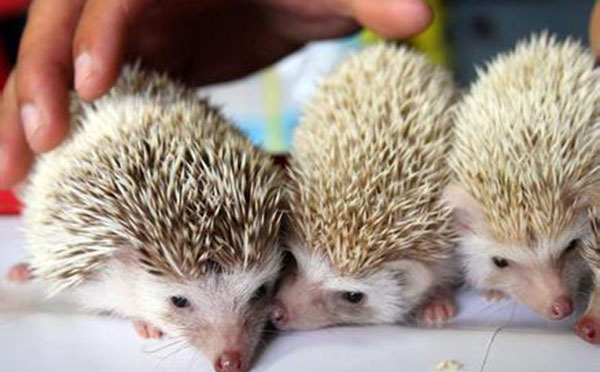
The Economic Value of Hedgehog FarmingIs mainly reflected in the following four aspects:
1. Providing meat. Hedgehog meat is a top-grade wild game delicacy with high protein content and low cholesterol content, with strong nourishing functions, and many ways to eat it. Because hedgehogs reproduce quickly and produce a lot of meat, developing hedgehog farming is of great significance for enriching residents' “vegetable basket.” As living standards improve for residents in coastal open areas and large and medium-sized cities in the interior, the demand for wild game is growing, hedgehogs have been heavily hunted in the Yangtze River basin, and their numbers are extremely scarce; in northern regions, indiscriminate hunting has increased year by year, and wild resources are becoming increasingly depleted. It is estimated that around 2010 wild hedgehogs will be hard to find.
2. Providing industrial raw materials. The hedgehog is treasured in every part; hedgehog skin is a precious traditional Chinese medicine, with effects such as lowering qi and relieving pain, stopping vomiting of food, and stopping bleeding and eliminating leakage. The hedgehog's brain, heart, liver, gallbladder, kidneys, and fat can all be used as medicine. Hedgehog meat can also undergo deep processing, such as portioned meat, convenience foods, canned products, and tourism foods, with great development potential.
3. Developing the economy and earning foreign exchange through exports. Raising hedgehogs will surely become an important part of the special breeding industry; it can not only satisfy the market and drive the local economy, but can also be sold externally and exported to earn foreign exchange.
4. For ornamental purposes, it can increase consumer goods in the spiritual realm.
Characteristics of hedgehog farming:
Production scale: To design an annual output of 10,000 commercial hedgehogs, about 2,000 breeding hedgehogs need to be introduced and bred, half male and half female. Because hedgehogs come into estrus 1—2 times per year, with about 5 per litter, and up to 8 for some, as long as food supply is sufficient and management is proper, 2 rounds of reproduction can be achieved every year, and the production scale can reach 10,000. Hedgehogs reach sexual maturity at 2—3 years of age, mostly emerge from hibernation in March, and come into estrus and mate in April; the gestation period is about 60 days. The survival rate of the young is almost 100%.