What should you pay attention to when acclimating koi to new water
The main steps for acclimating newly arrived koi to new water are the following four:
(1) Control the issues, adapt to the environment
1. Place the fish, together with the packaging bag, into a quarantine pond or quarantine aquarium;
When koi are packaged, the fish dealer fills the bag with pure oxygen and packs the koi in 2 or 3 layers of plastic bags. After the koi arrive home, do not rush to unpack the koi and put them into the tank. First remove 1 plastic bag, keeping only the last layer of plastic bag, and place the bag and koi in the quarantine pond for 40 minutes to 1 hour. During this period, if a lack of oxygen inside the bag is noticed, oxygen should be added again, and the bag should be turned once every ten minutes.
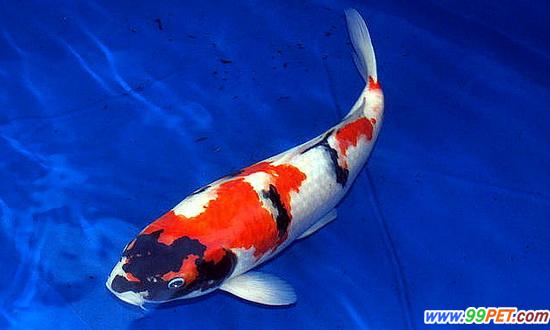
2. Gradually add salt
Open the bag and pour in pond water with a salinity of 0.3%, amounting to 1/3 of the total volume of the original packaging water. After oxygenating or blowing in air, tie the bag tightly and continue soaking the bag for 10 minutes; before releasing the fish, add 0.3% salt to the pond water. Koi can tolerate water with a salt content of up to 1%, but koi's adaptation to osmotic pressure regulation is phased and involves a gradual process of change. Koi show great tolerance to slow changes in salinity. If koi are moved directly from fresh water into water with high salinity, it will cause severe dehydration of the fish. Therefore, the increase in salinity needs to be carried out step by step. Generally, first add 0.3% salt, then after 12 hours increase it to 0.5%, and after 24 hours finally increase it to 0.7%. The salt used in koi keeping refers to coarse salt, not ordinary household table salt. The reason is that ordinary household table salt has been purified and processed and has no nutrients, while coarse salt is unprocessed salt containing many rich trace elements, which is beneficial for koi to absorb and utilize and replenishes trace elements in the water.
(2) Disinfect the fish body, administer medication
1. When there is no temperature difference between the water inside and outside the packaging bag, scoop out the fish and place them into water containing potassium permanganate at a concentration of 20PPM for a 2-3 minute disinfection treatment, then directly place the fish into the quarantine pond, and at the same time discard the original water in the bag and the plastic packaging bag.
Even koi that look very healthy on the outside carry more or less some pathogens. The commonly used disinfectant liquid is a potassium permanganate solution at a concentration of 20PPM, used for a medicated bath for the fish, generally for 2—3 minutes. Through this disinfection method, bacteria carried on the surface of the fish body and gills can be effectively killed, controlling pathogens from entering the quarantine pond. If obvious injuries are found on some parts during this period, special treatment should be carried out.
2. Observe for half an hour. During this process, some koi will jump because they are not adapted to the existing pond water. Generally after 30-60 minutes, the jumping will stop and they will swim steadily.
3. After the fish have stabilized, add the following medications to the pond water at the same time to improve the fish's adaptability and prevent the occurrence of bacterial diseases. At this time, if there is activated carbon in the filtration system, it should be removed, and if there is an ultraviolet sterilizing lamp, it should be turned off:
1) Antibiotics: water-soluble antibiotics (such as penicillin, erythromycin, etc.) can be chosen and evenly splashed over the whole pond, with the dosage used according to the instructions.
2) Evenly splash water-soluble vitamin C over the whole pond, continuously for 3 days, with the dosage used according to the instructions.
Vitamin C participates in many physiological processes in koi, such as growth, development, reproduction, wound repair, and stress response. It is very important for maintaining the normal growth of koi and enhancing their resistance to stress and pathogens. In particular, its effectiveness in improving koi's resistance to environmental stress and pathogens is widely recognized, and good results have also been achieved in practice. It is an important medication against stress responses.
(3) Continuously increase oxygen, sterilize and eliminate parasites
1. Aerate and oxygenate the whole pond continuously for at least 7 days. If conditions permit, an oxygen cylinder can be used to inject pure oxygen into the water. It is recommended that koi keepers use this method, and it is also recommended to use an air column specially for pure oxygen;
2. 72 hours after water acclimation, observe the swimming condition of the koi. If the dorsal fin has basically opened, parasite treatment can be carried out. If there is no microscope for careful observation, broad-spectrum antiparasitic drugs can be used for parasite treatment. It is recommended to use antiparasitic drugs such as trichlorfon, with the dosage used according to the instructions.
3. 12-24 hours after parasite treatment, use water-soluble antibiotics (such as penicillin, erythromycin, etc.) and splash them over the whole pond to prevent secondary infection of small wounds after the parasites fall off. It is recommended to maintain the drug concentration for 3 days.
(4) Quarantine culture, administer feed
Healthy koi raised at different fish farms carry different strains of bacteria, and koi from different source locations have different immunity to different bacterial strains. When fish from place A have antibodies to bacterial strain A, similarly, fish from place B have antibodies to bacterial strain B. Koi purchased at one time from different fish farms need to be kept separately and undergo quarantine treatment separately. New fish carry some pathogenic bacteria on their bodies; because they have antibodies to the pathogens, they will not become ill. Even if we have disinfected the surface of the koi, the pathogens carried inside the newly purchased koi will make the koi already being kept in your original tank or pond prone to illness because they do not have this antibody.
Therefore, when purchasing new fish, regardless of whether the newly bought koi are sick, they should all be kept in quarantine for more than 10 days. Only when it is confirmed that there is no disease can they be mixed and kept together with the original koi. The best quarantine period is 30 days. During this period, if fish disease occurs, treatment should immediately be given according to the symptoms.
Newly introduced koi need to be fasted for 3 days. After 3 days, gradually feed them special koi feed. At this time, the feed to be fed should be high-quality and easy to digest. At the same time, adopt the principle of small meals and frequent feeding, gradually increasing the feeding amount. After 5 days of feeding, then reach the standard feeding amount. At this point, the main work of the entire water acclimation process is basically completed. I hope that through my introduction, you can have some understanding of the koi water acclimation process and that your beloved koi can grow up healthily.