Laying hen farming cannot do without a quiet environment
A quiet environment is crucial for laying hen farming
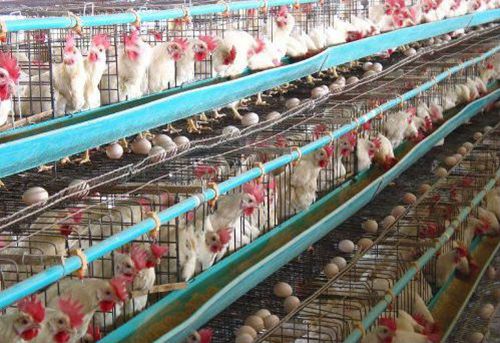
Nobody come looking for me, I want some peace and quiet, and don't ask me who Jingjing is. People do sometimes need a quiet space, but today is really the first time this editor has heard that "quiet" plays a force to be reckoned with in laying hen farming.
Generally, when laying hens are raised to 36-37 weeks of age, they have already reached the peak laying period, and this is precisely the stage when they are most vulnerable to being startled. There are many causes of fright, such as sudden noise, flickering light, water or feed deprivation, excessive density, keepers wearing unfamiliar clothing, birds passing by or airplanes flying over. There are also feeding-related causes such as excessive magnesium content in the feed.
In winter, laying hen houses become more enclosed, and many farmers even cancel the exercise routine for laying hens that they use in spring, summer and autumn, so for the hens this is in fact a relatively quiet period. Especially for caged laying hens, particularly in places where people rarely visit, laying hens tend to be afraid of being startled. In fact, laying hens raised this way are highly excitable, and once stimulated by some factor, panic suddenly breaks out in the flock. This panic also spreads very easily through the whole hen house, causing the flock to riot, struggling desperately in the cages, flapping their wings, with screeches rising and falling one after another. In severe cases some chickens break their wings, some laying hens suffer internal bleeding, and some even die. The consequences of a startled flock are serious, often causing the laying rate to keep declining during this startled stage and resulting in relatively large economic losses.
Chickens that have never been disturbed by the outside world are very nervous and are also prone to intermittent "flock panic" episodes. Many highly experienced farmers have deep personal experience of this. Generally, the hens stretch their heads and necks high, eyes wide open, showing a state of extreme tension; at the slightest movement they screech and fly about in panic, affecting the whole hen house, and sometimes flock panic even occurs without any obvious triggering factor. Besides deaths and injuries, the hens often show a drop in laying rate, produce soft-shelled eggs, and the broken-egg rate rises markedly. The harmful consequences of panic disorder bring huge losses to farmers.