Can You Still Eat Yam After It Sprouts? A Clear Explanation of the Food Safety Issues
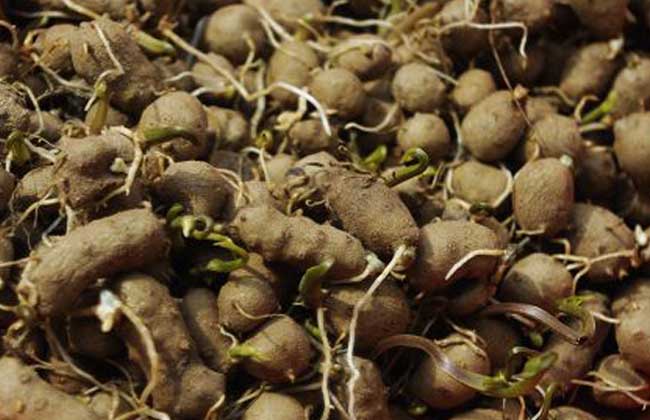
Sprouting in yam, a food-and-medicine dual-use product, is a very ordinary plant growth phenomenon, but when it comes to eating it, many consumers worry about whether sprouted yam, like potato, produces toxins, which leads them to not dare to eat it or to throw it away. So is sprouted yam really inedible? Let's take a look together below!
Can You Eat Sprouted Yam?
Yes, sprouted yam can be eaten. Sprouting causes some loss of nutrients in yam; with slight sprouting the nutrient loss is very small, and sprouted yam does not produce toxins the way potato does. Yam and potato belong to different categories in plant classification, and there are currently no reports of poisoning from eating sprouted yam.
If your yam has sprouted due to improper storage, you can remove the sprouts and it is still safe to eat; you just need to remove the sprouted parts. Sprouted yam loses some of its nutritional value, so the best approach is still to pay attention to storage in advance and keep the yam from sprouting.
Methods for Long-Term Storage of Yam
1. Room-temperature ventilated storage method: If your home has good ventilation, you can store it in a ventilated place at room temperature. This method generally allows storage for 3 to 6 months. During storage, do not put the yam in plastic bags or newspaper; it is best to let them spread out.
2. Rice wine soaking method: This method is not commonly used, because if not done well it will damage the taste and quality of the yam. The procedure is to break the yam, soak the cut ends in rice wine, then dry them with a hair dryer to promote healing of the wound, and finally wrap them well in paper napkins and place them in a cool, shady place, where they can be stored for several months or so.
3. Refrigerator refrigeration method: It is understood that yam can be stored for about 3 years at a temperature of 1 to 4°C. Therefore, yam bought in summer can be placed immediately in the refrigerator for cold storage. When refrigerating yam, it should be kept separate from fruit, so that the ethylene released by the fruit does not cause the yam to spoil.
4. Cold storage warehouse method: This method is suitable for large-scale storage by yam growers or yam processing plants. When using this method, the temperature of the cold storage warehouse must be kept at 2 to 6°C year-round, which allows storage for several months.
Dietary Taboos for Yam
1. Yam has a relatively high starch content, so people with chest and abdominal fullness, dry stools, or constipation should eat as little as possible.
2. Yam is a tonic-oriented medicine, sweet and neutral in nature yet tending toward warm, so people with a warm constitution or who easily get internal heat should also eat it with caution. Some people like to cook yam in hot pot; if it is paired with spicy dipping sauce, that makes it even more heating, so it is best to eat less of it.
3. People with diabetes should not eat an excessive amount of yam at one time; when the amount eaten is relatively large, the amount of staple food should be appropriately reduced.
What Yam Should Not Be Eaten With
1. Yam should not be eaten with carp or kansui root (Euphorbia kansui); they are incompatible.
2. Yam should not be eaten together with kansui root (Euphorbia kansui), nor taken together with alkaline drugs.
3. Yam and pork liver. Yam is rich in vitamin C, while pork liver contains trace metals such as copper, iron, and zinc. When vitamin C encounters metal ions, it oxidizes and breaks down faster, lowering its nutritional value, so after eating pork liver, it is not advisable to eat yam.
4. Yam with cucumber, pumpkin, carrot, or winter squash. Cucumber, pumpkin, carrot, and winter squash all contain vitamin C decomposing enzymes; if eaten with yam, vitamin C will be decomposed and destroyed.
5. Yam and seafood. Generally, seafood (including fish, shrimp, and algae) contains, in addition to minerals such as calcium, iron, phosphorus, and iodine, abundant protein, while fruits such as hawthorn and pomegranate contain tannic acid. If mixed and eaten, they will combine to form tannin protein; this substance has an astringent effect, will cause constipation, increases the absorption of toxins in the intestines, and causes symptoms such as abdominal pain, nausea, and vomiting.