Can Pregnant Women Eat Turtle Doves? A Guide to Dietary Precautions During Pregnancy
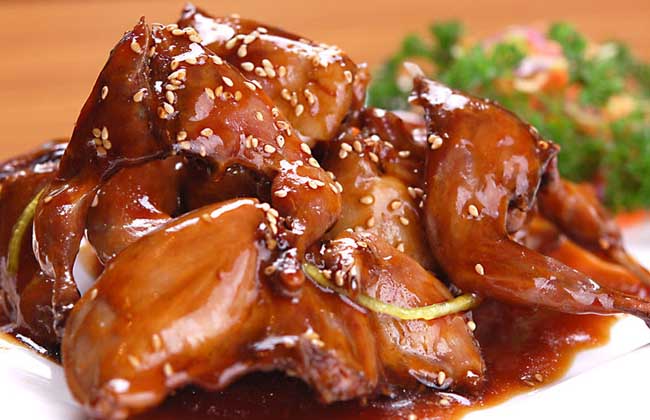
Can pregnant women eat turtle doves? Turtle doves resemble pigeons in body shape, with size and feather color and pattern varying by species. In China, the widely distributed species includes the brown-backed turtle dove, also known as the golden-backed turtle dove or oriental turtle dove. Its back feathers are light brown, with the feather edges slightly tinged with brown. The flanks, axillary feathers and undertail coverts are all grayish blue. It inhabits forests in plains and mountainous areas. Turtle dove meat is tender and delicious. Let's take a look below at whether pregnant women can eat turtle doves or not!
Can pregnant women eat turtle doves?
Pregnant women can eat turtle doves. The nutritional value of turtle dove is comparable to that of soft-shelled turtle. Compared with the meat of other animals, the protein content in turtle dove meat is several times that of other meats, while the total fat content in turtle dove meat is very low, making it easily absorbed by the human body. It is the best choice for pregnant women and people who need to recuperate from injuries.
Can postpartum women eat turtle doves?
Postpartum women can eat turtle doves. Turtle dove meat is also rich in vitamin A, vitamin B1, vitamin B2, vitamin E and trace elements used for blood production, and has a strong nourishing effect on postpartum women, patients after surgery and people with anemia.
The nutritional value of turtle doves
Among various meats, turtle dove meat is the richest in protein, while its fat content is extremely low, with a digestion and absorption rate of over 95%. Compared with chicken, fish, beef and mutton, turtle dove meat is also rich in vitamin A, vitamin B1, vitamin B2, vitamin E and trace elements used for blood production. It has a strong nourishing effect on postpartum women, patients after surgery and people with anemia.
The effects and functions of turtle doves
Turtle dove meat has the effects of tonifying the kidney, improving eyesight and supplementing qi. "Jiayou Bencao" records: "It mainly improves eyesight; eating its meat in large amounts supplements qi and assists yin and yang." "Bencao Yanyi" records: "People with long-term illness and deficiency benefit from eating it to supplement qi." It mainly treats conditions such as long-term illness and deficiency, qi deficiency, blurred vision in both eyes, enuresis and frequent urination. For healthy people, eating it can further prevent disease and strengthen the body.