How to raise turtledoves? A detailed guide to turtledove breeding video techniques
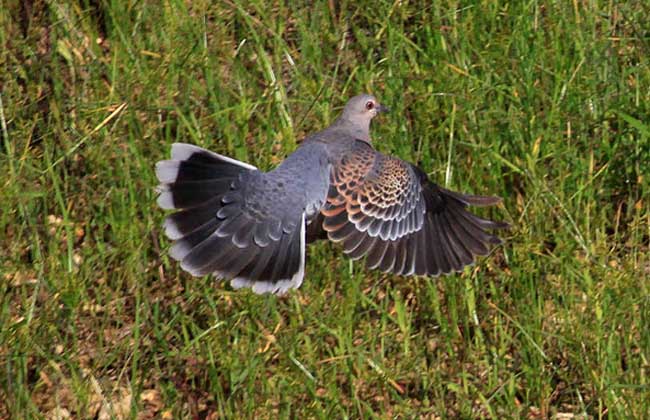
Turtledoves not only have tender meat, good taste, delicious flavor and rich nutrition, but also resemble pigeons in body shape, with smooth feathers, a gentle temperament and high ornamental value. Turtledoves have a short growth period, and are generally ready for sale at 4 to 5 weeks of age. Let's take a look at turtledove breeding techniques together below!
Establishing the site
A high-altitude cage should be set up on a sunny slope with good ventilation, dryness and relatively high terrain. The cage area is generally 40 sq m to 60 sq m, with a height of 2.5 m to 3 m, built with bamboo frames and bound with plastic netting. Inside the cage, build a 1 sq m bird shed for turtledoves to shelter from rain and summer sun. For breeding bird sites, the cage should be 1.5 m to 2 m above the ground, with artificial trees made from bamboo or branches and artificial nests attached, to facilitate egg laying by turtledoves.
Selecting breeding birds
Select 10-month-old adult birds that are large, robust and disease-free as breeding birds, and raise them separately. The feed should contain more protein, lecithin and calcium to facilitate reproduction.
Reproduction and chick rearing
Egg laying Wild breeding birds generally mate and lay eggs in spring and autumn. In artificial breeding, female birds can be injected with estrogen to promote estrus in a short time, so that they can lay eggs every month.
Incubation Collect the eggs after laying and place them in an incubator for artificial incubation. During incubation, temperature and relative humidity should be well adjusted to ensure a hatching rate above 98%.
Chick management When chicks have just hatched, attention should be paid to keeping them warm and providing timely drinking water. Use a potassium permanganate solution at a concentration of 2 parts per ten thousand as drinking water, replacing it every 4 hours. After chicks hatch, they generally show feeding behavior at 6 to 8 hours, and it is best to choose small, easily digestible foods such as millet or broken rice, or chick pellet feed. After 1 week, 20% of various plant seeds such as cockscomb seeds and rice can be added to the feed ratio.
Timely disease prevention
Because artificial breeding density is high, birds are susceptible to disease. Cleaning inside the cage should be done well, regular disinfection should be carried out, droppings should be cleaned up in time, and regular epidemic prevention should be conducted. Sick birds found should be isolated and treated, dead birds should be deeply buried or burned, and all birds in that cage should be disinfected.
Selling at the right time
Turtledoves have a very short growth period, and are generally ready for sale at 4 to 5 weeks, and become sexually mature after 4 months.