Shrimp Nutritional Value and Main Nutrients Introduction
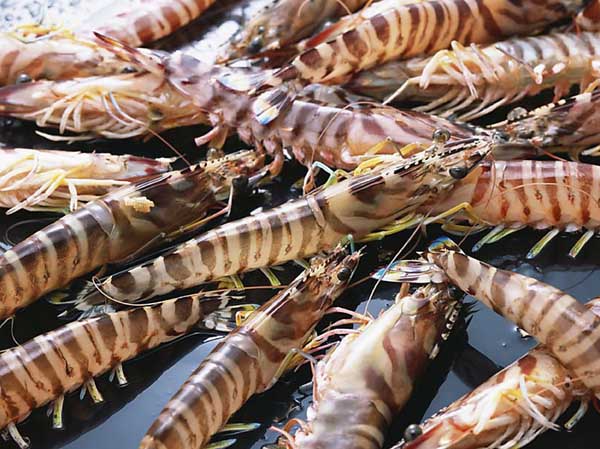
Modern medical research has confirmed that shrimp has extremely high nutritional value; it can strengthen the human body's immunity and sexual function, tonify the kidneys and strengthen yang, and resist premature aging. Eating fresh shrimp regularly (stir-fried, braised, or stewed) and taking it with warm wine can treat conditions such as kidney deficiency and impotence, aversion to cold, bodily fatigue, and soreness and pain in the lower back and knees. If a woman has little or no breast milk after childbirth, 500 grams of fresh shrimp meat, crushed, taken hot with yellow wine, 3 times a day for several consecutive days, can promote lactation. Shrimp skin has a sedative effect and is often used to treat neurasthenia and various symptoms of autonomic nervous system dysfunction. Sea shrimp is a delicious food that can provide nutrition to the brain. Sea shrimp contains three important fatty acids that can help people maintain concentration for long periods.
Shrimp Nutritional Components
Table of nutritional component content per 100 grams of shrimp:
Nutrient Content Nutrient Content Nutrient Content Water 78.1 g Energy 87 kcal Protein 16.4 g Fat 2.4 g Dietary Fiber 0 g Cholesterol 240 mg Ash 3.9 g Vitamin A 48 mg Carotene 0 mg Retinol 48 mg Thiamine 0.04 mcg Riboflavin 0.03 mg Niacin 0 mg Vitamin C 0 mg Vitamin E (T) 5.33 mg Calcium 325 mg Phosphorus 186 mg Potassium 329 mg Sodium 133.8 mg Magnesium 60 mg Iron 4 mg Zinc 2.24 mg Selenium 29.65 mcg Copper 0.64 mg Manganese 0.27 mg Iodine 0 mg Isoleucine 0 mg Leucine 1573 mg Lysine 1406 mg Sulfur-containing amino acids (T) 492 mg Methionine 492 mg Cystine 0 mg Aromatic amino acids (T) 1283 mg Phenylalanine 683 mg Tyrosine 600 mg Threonine 694 mg Tryptophan 0 mg Valine 846 mg Arginine 1155 mg Histidine 390 mg Alanine 1240 mg Aspartic acid 1891 mg Glutamic acid 3027 mg Glycine 1064 mg Proline 721 mg Serine 728 mgShrimp Nutritional Analysis
1. Shrimp is rich in nutrients, and its meat is soft and easy to digest, making it an excellent food for people who are weak and need recuperation after illness.
2. Shrimp contains abundant magnesium. Magnesium plays an important role in regulating heart activity and can effectively protect the cardiovascular system. It can reduce cholesterol levels in the blood, prevent arteriosclerosis, and also dilate coronary arteries, which helps prevent high blood pressure and myocardial infarction.
3. Shrimp has a relatively strong lactation-promoting effect and is rich in phosphorus and calcium, making it especially beneficial for children and pregnant women.
4. Scientists at Osaka University in Japan found that astaxanthin in shrimp helps eliminate “jet lag” caused by time zone changes.
5. Regardless of the type, shrimp is rich in protein and has very high nutritional value. Its meat is as soft as fish and easy to digest, and it has no fishy smell or bones. It is also rich in minerals (such as calcium, phosphorus, iron, etc.). Sea shrimp is also rich in iodine, which is extremely beneficial to human health. According to scientific analysis, protein makes up about 16-20% of the edible portion of shrimp.
Shrimp Dietary Therapy Value
1. Freshwater shrimp is warm in nature, sweet in taste, and slightly warm; it enters the liver and kidney meridians
2. Shrimp meat has effects such as tonifying the kidneys and strengthening yang, promoting lactation and resisting toxins, nourishing blood and consolidating essence, resolving blood stasis and detoxifying, benefiting qi and nourishing yang, dredging collaterals and relieving pain, and stimulating appetite and resolving phlegm
3. It is suitable for patients with kidney deficiency and impotence, seminal emission and premature ejaculation, insufficient lactation, muscle and bone pain, hand and foot cramps, general itching, skin ulcers, physical weakness, and neurasthenia.
4. Shrimp can be eaten with oats, chive flowers, cabbage (cooked), scallions, cilantro, pea shoots, goji berries, and tofu. It should not be eaten with watermelon, pork, pumpkin, tomatoes, kiwi fruit, lily bulb, cauliflower, or strong tea to avoid bodily discomfort or poisoning
5. Shrimp, crayfish, and prawns contain large amounts of vitamin B12. They are also rich in zinc, iodine, and selenium, and are low in calories and fat. Note: The cholesterol content is relatively high, so people with high cholesterol should not eat them excessively.
6. Shrimp, crayfish, and prawns contain large amounts of vitamin B12. They are also rich in zinc, iodine, and selenium, and are low in calories and fat. Note: The cholesterol content is relatively high, so people with high cholesterol should not eat them excessively.