What to Do If You Are Bitten by a Centipede? Remember These First Aid Methods
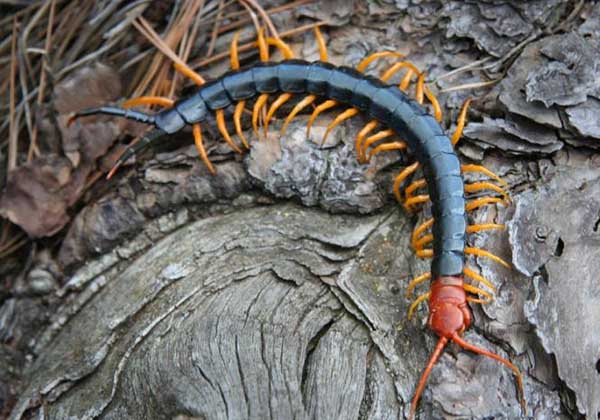
A bite from a small centipede causes only localized redness, swelling and pain. A bite from a large centipede can cause lymphangitis and tissue necrosis, and sometimes purple patches (purpura) appear on the entire limb. In some cases, systemic symptoms such as headache, fever, dizziness, nausea, vomiting, and even delirium, convulsions and coma may occur. If you are bitten on the hand by the centipede with a red head, black body and yellow legs found in the Yangtze River basin, severe pain will develop rapidly at the bite site; generally within 2 hours severe pain begins at the elbow joint, within 3 hours severe pain begins at the armpit, and within 4 to 5 hours there is a dull pain in the chest. However, there is no need to worry, as it generally does not cause a fatal danger, and the symptoms gradually disappear after 4 days.
When a person is bitten by a centipede, its venom glands secrete a large amount of venom, which is injected under the skin of the bitten person through the venom gland openings of the jaw fangs, causing poisoning. The larger the centipede, the more toxin is injected when it stings, and the more severe the poisoning symptoms. Centipede venom is acidic and contains two toxic components similar to bee venom, namely histamine-like substances and hemolytic protein. In addition, it also contains tyrosine, formic acid, fatty oil, cholesterol, etc. After a person is bitten by a centipede, it can cause local tissue destruction and lymphangitis; the venom also has a sensitizing effect and can sometimes cause extensive purpura.
Emergency Treatment
1. Immediately after a centipede bite, wash the wound with soapy water and apply a cold wet compress to the affected area locally. Mashed Houttuynia cordata (fish mint) and dandelion can also be applied externally. Those with systemic symptoms should go to the hospital for treatment promptly.
2. At 2 to 3 cm above the upper end of the injured limb, tie it tightly with a cloth band, loosening it for 1 to 2 minutes every 15 minutes. Ice can be applied around the wound. Incise the skin at the injured site, suck out the venom with a suction device or cupping jar, and wash the wound with potassium permanganate solution or lime water. Those with more severe symptoms should go to the hospital for treatment.
Simple Treatments
1. Apply the sap of Chinese sumac (Rhus chinensis) to the injured area.
2. Roll salt in yellow straw paper and light it, then blow the ash from the other end of the paper roll onto the affected area.
3. Apply ammonia water or floral water to the injured area.
4. Apply egg white or the saliva of a rooster to the injured area.
5. Apply the mucus from snails, slugs or earthworms.
6. Apply essential balm.
7. Apply garlic juice or mulberry juice mixed with white salt.
8. Apply mashed cigarette tobacco mixed with tea oil.
9. Apply freshly mashed live centipede mixed with tea oil to the affected area.
10. Apply alkaline water or sliced onion to the injured area.