Are centipedes poisonous? A comprehensive analysis of centipede toxicity
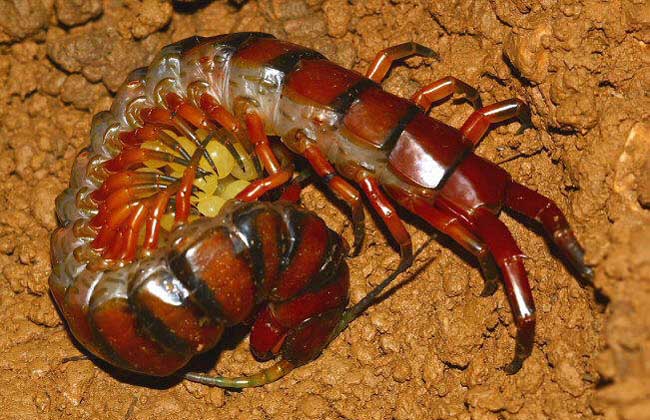
Centipedes belong to the class Chilopoda. Their first pair of legs is hook-shaped and sharp, with a venom gland opening at the tip of the hook, generally called the maxilliped, poison claw, or venomous limb, which can discharge venom. After a person is bitten by a centipede, its venom glands secrete a large amount of venom, which flows through the venom gland opening of the maxilliped into the bitten person's subcutaneous tissue and causes poisoning. Centipedes are venomous, but the toxicity of each species differs, and size also has an effect; generally, the smaller the centipede, the lower its toxicity.
What are the symptoms of a centipede bite?
1. A bite from a small centipede causes only local redness, swelling, and pain.
2. A bite from a large centipede can cause lymphangitis and tissue necrosis, and sometimes the entire limb develops purpura. In some cases, systemic symptoms such as headache, fever, dizziness, nausea, vomiting, and even delirium, convulsions, and coma may be seen.
Emergency treatment for centipede bites
1. After a centipede bite, immediately wash the wound with soapy water, apply a cold wet compress locally to the wound, and you may also apply mashed Houttuynia cordata or dandelion externally. Those with systemic symptoms should go to the hospital promptly for treatment.
2. Tie a cloth band tightly 2-3 cm above the upper end of the affected limb, loosen it for 1-2 minutes every 15 minutes, apply ice around the wound, incise the skin at the injury site, use a suction device or cupping to draw out the venom, and choose potassium permanganate solution or limewater to rinse the wound. Those with more severe symptoms should go to the hospital for treatment.
3. See also Volume 31 of Waitai Miyao. It refers to poisoning caused by a centipede sting, which should be treated promptly. The stung area is extremely painful, red, swollen, and hot, and it may lead to surrounding lymphangitis and necrosis; systemic symptoms may include fever, headache, dizziness, vomiting, and even coma. Li Shizhen's Bencao Gangmu · Baibing Zhuzhi Yao records drugs for neutralizing centipede venom, including: snail, slug, trogopterus dung, single garlic, rapeseed oil, Duchesnea indica, Cyperus rotundus, amaranth, purslane, earthworm mud, table salt, cockscomb blood, and others.