What Are the Prospects for Leech Farming? Market Potential Analysis
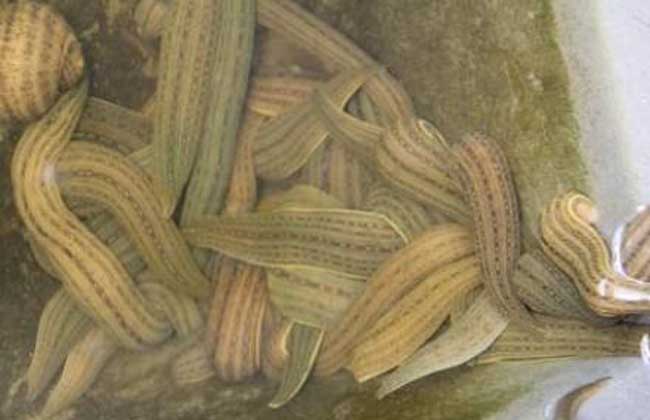
The leech, commonly known as the bloodsucker, grows and breeds in inland freshwater waters and is a traditional special-purpose medicinal aquatic animal in China. After processing, its dried product is used in traditional Chinese medicine, with effects such as treating stroke, high blood pressure, clearing blood stasis, amenorrhea, and bruises and injuries. Leech preparations have special efficacy in preventing and treating cardiovascular and cerebrovascular diseases and in fighting cancer. Historically, it was mainly harvested from the wild, but due to the abuse of pesticides and chemical fertilizers in recent years, as well as pollution of the environment by the “three wastes” of industry and agriculture, wild natural resources have sharply declined.
In recent years, with the vigorous development of the traditional Chinese medicine market and the demand for and development of medicinal leeches, domestic wild leech resources have continued to decline, supply has been short, leech prices have climbed steadily, and there is even a trend of demand exceeding supply. On the other hand, the European and American consumer markets are very large, and in recent years Japan, Korea, and various Southeast Asian countries have also imported large quantities of leeches from China, causing shortages in the domestic leech market and price increases. Based on the overall domestic medicinal market situation, and as learned from the National Special Breeding Information Conference: because people have long used chemical fertilizers and pesticides, wild leech resources have decreased year by year, so artificial leech farming is urgent. The artificial farming cycle is short, integrated large-scale farming is possible, and economic returns are high. With the surge in domestic demand for leeches and the stimulus of foreign trade export earnings, the prospects for artificially farmed leeches are very broad.
From the perspective of future development analysis of the pharmaceutical market, the shortage of leeches will be difficult to alleviate in the short term, and the contradiction between supply and demand is growing. Relying on the regeneration of natural resources currently cannot resolve this contradiction. In order to make up for the shortage of this natural resource and protect precious and limited wild resources, artificial leech farming is imperative. Huge market demand has created broad market prospects for artificial leech farming. It can be predicted that artificial leech farming, as a fashionable emerging industry, will flourish across the country.
At present, international pharmaceutical institutions no longer require traditional Chinese medicine products to be pure products with known structures, but rather mixtures with fixed ingredients, stable efficacy, and safety and reliability. As a traditional Chinese medicine, the use of leeches has long been favored by the international pharmaceutical market, especially in developed countries such as those in Europe, America, and Southeast Asia, which import large quantities from China every year, making it a sought-after product in China's animal medicine exports. The prospects for artificial leech farming are broad, bringing greater opportunities for entrepreneurs to earn foreign exchange through exports.
Developing the leech farming industry is the preferred project for adjusting the industrial structure in grassroots rural areas and for reemploying laid-off workers. It not only addresses the surplus rural labor force, but also opens up a way for farmers to escape poverty and increase income. It further provides a rare entrepreneurial opportunity for laid-off workers to achieve reemployment and for low-efficiency units to transform!