What do leeches eat? Understanding leech feeding habits in one article
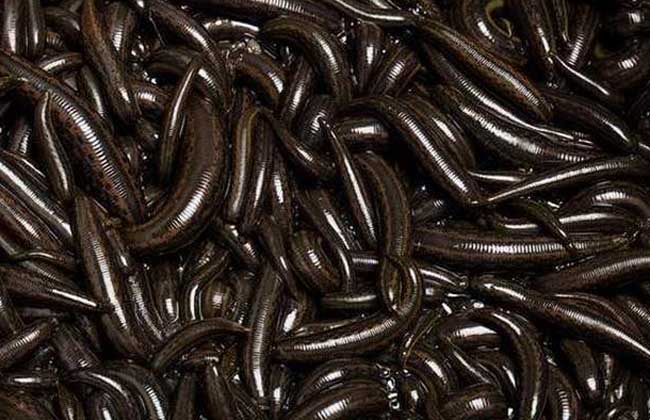
They live in rice paddies, ditches, shallow polluted ponds and similar places, are fond of sucking the blood of humans and livestock, and move very agilely; they can swim in a wavelike motion and can also move inchworm-style. Whenever spring warms up they become active, and June to October is their egg-laying period; in winter they often lie dormant in wet mud near the shore, neither eating nor moving, with strong survivability.
What do leeches eat?
Leeches are omnivorous animals, and their main way of life is sucking the blood or body fluids of animals. They often feed mainly on plankton, insects and mollusks in the water; under artificial conditions they are fed various animal offal, cooked egg yolk, compound feed, plant residues, freshwater snails and shellfish, miscellaneous fish, earthworms and so on.
Among wild leeches, the most common food is sucking the blood of frogs, which is their favorite food. Blood-sucking species such as Hirudo nipponia and Poecilobdella manillensis mainly feed on fresh blood clots from animals, and at the same time this must be combined with culturing plankton in the base to achieve a reasonable diet for the leeches.
Leech living habits
Leeches are cold-blooded annelids and can grow and reproduce in both northern and southern China. They mainly live in freshwater reservoirs, ditches, paddy fields and lakes and marshes, and are most abundant in ponds rich in organic matter or in unpolluted small rivers.
The suitable growth temperature for leeches is 10-40°C. In northern regions, when the temperature is below 3°C they enter a dormant overwintering period in the soil, and from March to April of the following year, when the temperature is above about 8°C, they emerge from dormancy and become active.
What should you do if bitten by a leech?
If bitten by a leech, you can gently pat above the bitten area, or apply vinegar, alcohol, salt water, tobacco water, essential balm, etc., and the leech will naturally loosen and drop off. Then squeeze out the dirty blood from the bite wound, and apply iodine tincture to the wound.
If a leech burrows into the nasal cavity, anus, vagina or urethra, apply sesame oil or honey at the invaded site, wait for the leech to crawl out on its own and then remove it, or go to the hospital and ask a doctor to remove it. If the wound contamination is severe, tetanus antitoxin serum should be injected.