The constipation-fighting fruit high in dietary fiber that must be fully ripe before it is picked
In recent years, as people's living standards have risen, people have become more particular about "eating," which is why the term "foodie" exists. Domestic ingredients can no longer satisfy foodies' appetites, and more and more people are turning their eyes to the distant shores across the ocean, wanting to taste different flavors. The world has countless kinds of delicious food, yet not many foods win recognition from foreign friends in terms of taste, because only the best can beat other foods and make it into other countries. A foodie is someone who likes to eat all kinds of tasty things, and fruit is no exception. There is a fruit originally from France but imported from the United States that has become foodies' new favorite in recent years.
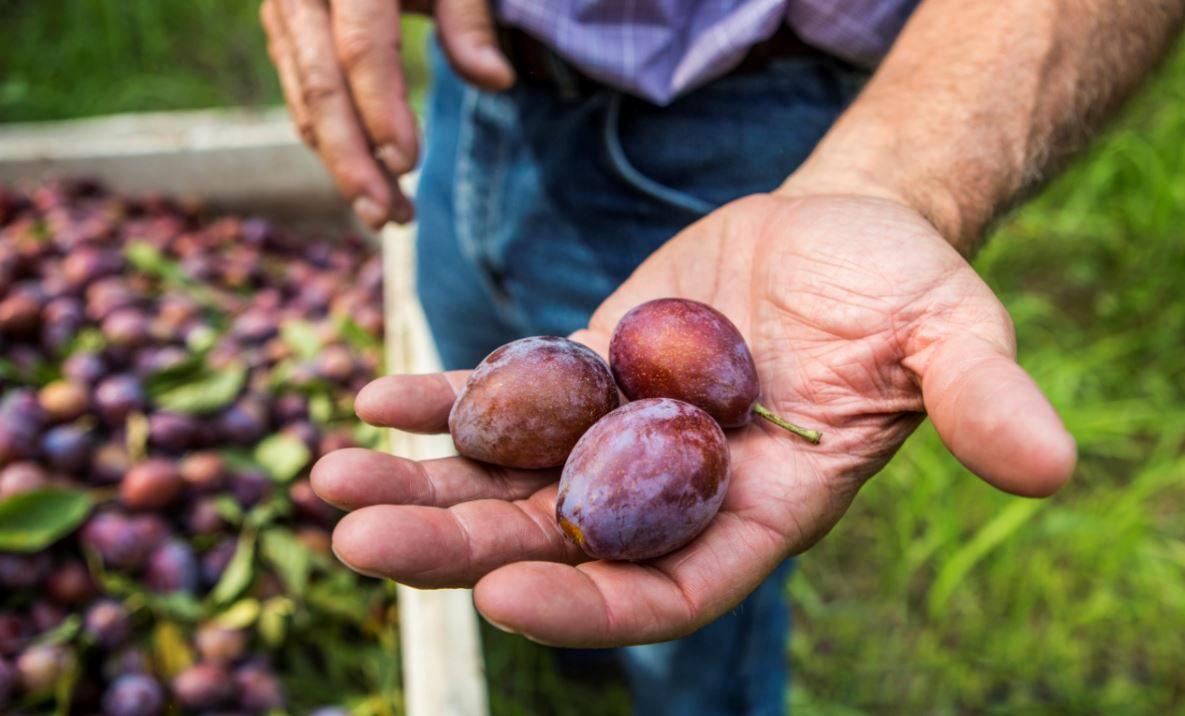
This fruit is not large, about the size of a green plum, and it is also a kind of plum, called "prune." Abroad, this fruit is regarded as the "king of plums" and is highly nutritious. First, it has a high vitamin A content, which is relatively rare among fruits and helps with vision and bone development in the human body. Second, it is high in iron and potassium, which helps replenish blood and balance the body's electrolytes. Prune puree made from prunes is one of the best complementary foods for babies and does a good job of promoting growth and development. Finally, it is worth mentioning that prunes are very high in dietary fiber and have long been known by the titles "good fruit for bowel movements" and "constipation fruit."
Everyone knows that dietary fiber helps promote intestinal peristalsis, and an adult needs to intake the equivalent of 30 grams of dietary fiber per day to avoid constipation. Research by experts has found that eating 3 prunes can meet the human body's daily dietary fiber needs, so for people who are often constipated, prunes really do have a laxative effect and are especially suitable for the elderly. Moreover, prunes are not sour; unlike the green plums produced in our country, they taste sweet and juicy and are very high in sugar. However, prunes also have one drawback, and this drawback is also what keeps their price high.
That is, prunes are one of the few fruits that are picked only after they are fully ripe, which is mainly related to how they are harvested. Because prune yields are extremely high, in their place of origin, California in the United States, farmers use machines to clamp the branches and shake them, and the ripe prunes fall onto conveyor belts laid out in advance, then are transported directly to processing plants via the conveyor belts. Only fully ripe prunes will fall off; no matter how you shake them, unripe prunes will not drop. Of course, farmers will not shake the trees madly either, otherwise the trees would be shaken to death. Ripe prunes do not keep well and cost a lot to transport, so most are processed into dried fruit, which is actually a bit cheaper than the fresh ones.
After entering the 21st century, prunes were introduced and cultivated from abroad as a new type of fruit, so domestic prunes can now also be seen on the market. Friends, have you ever eaten prunes?