Is summer chive not tasty? Do a good job of field management to have good chive in autumn
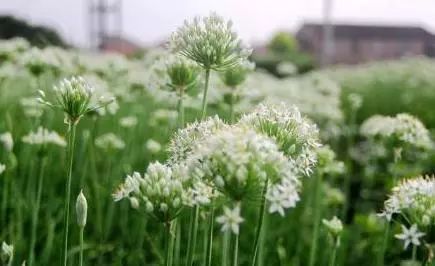
When mentioning chive, one thinks of chive-filled dumplings. I also grow a small patch of chive at home. Chive is not only tasty but also looks nice, with clusters of green. However, as summer temperatures rise, the management of chive becomes very important. Here I will share with you the precautions for summer chive management.
Summer chive has a poor taste
Observant friends will notice that there is very little chive on the market in summer. Even if there is chive for sale, its taste is far less good than spring chive. This is because after several harvests in spring, chive loses a large amount of nutrients, and summer chive has increased fiber content, so the taste is not very good. However, summer is an important period for chive management. Poor management will not only affect the yield of chive in autumn but also affect the growth lifespan of chive.
Reduce harvesting
In summer, because the temperature is relatively high, chive leaves grow quickly, and nutrients may be in short supply, which leads to increased fiber content in chive, rough leaves, and the plants are prone to lodging. At this time, it is best to reduce the number of harvests, and preferably not harvest at all, so that the chive can nourish its roots. Only in this way can the chive have a good harvest in autumn, reduce nutrient loss in the chive, and avoid shortening the lifespan of the chive.
Weeding
Summer is the peak season for weed growth, so although chive should stop being harvested, field weeding work cannot be ignored. Weeds should be cleared promptly when found to avoid weeds growing everywhere in the field, soil nutrient loss, and impact on chive growth. If it is an old chive field, it is best to start weeding work in spring.
Remove flowers promptly
In summer, chive will grow flower stalks. Chive stalks consume a lot of nutrients from the chive, causing the growth of chive in autumn to be affected. Therefore, when flower stalks appear on the chive, they must be removed promptly to avoid nutrient loss.
Pest control
In summer, chive is very prone to chive maggots. Chive maggots can be said to be one of the biggest headaches for chive growers. The traditional method is generally to use pesticide root drenching, but this will leave a large amount of pesticide residue. Here, the high-temperature plastic film method is recommended. This is because chive maggots do not tolerate high temperatures. It can be done when the summer temperature is at its highest. If the chive is growing weakly, you can consider not cutting the chive. If the chive is growing vigorously, it is best to cut it to avoid the chive leaves affecting light exposure. It is best to maintain plastic film coverage for three hours each day, because three hours of high temperature can kill chive maggots and their eggs. Continue for one week.
Fusarium wilt
In summer, with high temperatures and more rain, chive is prone to Fusarium wilt, and chive leaves turn yellow. In this case, promptly clear away diseased leaves, keep field drainage unobstructed, and maintain ventilation and air permeability between plants to reduce the occurrence of disease.
The above comes from Science Xingnong.