What to Do If Your Alligator Snapping Turtle Won't Eat? The Correct Solution
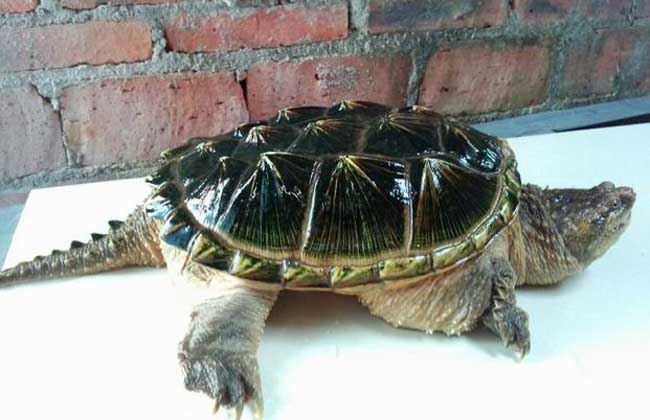
Alligator snapping turtles can grow very large; adults typically reach 61-76 cm, and the largest alligator snapping turtle on record was 79 cm with a body weight of 107 kg. Growing alligator snapping turtles need to eat a great deal. If one day it suddenly stops eating, you must find out why it isn't eating, treat the alligator snapping turtle promptly, and help it return to a normal diet.
Food-related reasons why alligator snapping turtles stop eating
Alligator snapping turtles are carnivores and will also eat carrion. Their diet is broad and varied: small fish, crayfish, various shellfish, and various fruits and vegetables are all prey for them, and wild individuals will even prey on snakes and birds. In Michigan, USA, juveniles will even eat plants, usually only when food is scarce or in summer; when they mature, they become omnivorous.
Disease-related reasons why alligator snapping turtles stop eating
Alligator snapping turtles generally get sick relatively rarely, but under high-density farming conditions they are prone to indigestion. For sick turtles, you can force-feed medicated bait containing multienzyme tablets (2 tablets per kg of turtle). For external injuries, disinfect the affected area with iodine tincture on a cotton ball, apply anti-inflammatory tissue-regenerating ointment, and it will heal in 2 to 4 days.
Environmental problems causing alligator snapping turtles to stop eating
A newly purchased alligator snapping turtle may not eat or may eat little because it is unfamiliar with and not yet adapted to its environment; at this time they may prefer to forage in dark, quiet places. At this point, it is best to give the alligator snapping turtle a longer adaptation period, placing it in a dark and quiet place for 1-2 days (or longer), so it can slowly adapt to the environment. Once it has adapted, it will eat normally.