How to Catch Partridges? Introduction to Several Common Methods
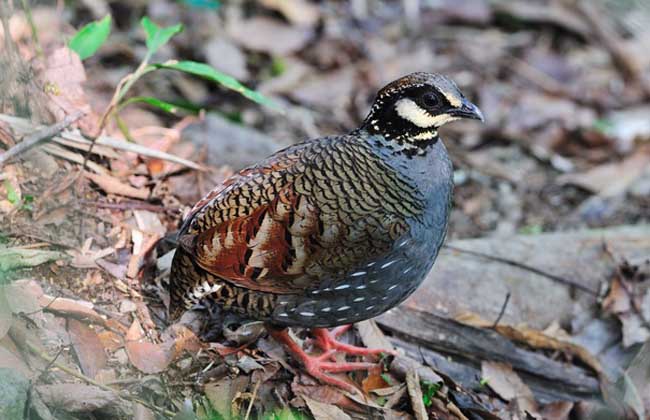
The partridge, also known as the Chinese francolin, is often said by many netizens to be difficult to catch. If you are a beginner with insufficient experience, it is not surprising to say such a thing. After all, the partridge has a very distinct personality, but as long as you understand its personality, the difficult becomes easy. Let us take a look at the methods for catching partridges together below!
The Partridge's Living Habits
No matter what bird you are catching, you must have some understanding of the target you intend to catch. Setting traps blindly will only add more disappointment. The peak period for catching partridges is around Qingming to Lixia each year. A male partridge in heat has a combative temperament, especially within its own territory, where it will not allow intruders to enter. People catch partridges precisely by taking advantage of this.
The highest point within a territory is also the place the partridge cares about most, so when choosing a trapping ground, mostly choose the part from mid-slope to the top of the hill, and it is best to carry out the capture from above it. Qingming to Lixia is the peak period for partridge mating. If you catch them at this time, some partridges may be caught before they even have time to mate, and then there will be nothing left to play with afterward. It is better to catch fewer during this period.
How to Choose a Trapping Ground for Catching Partridges?
After luring them with calls, quietly grope your way to a place 30 m from the wild bird. First observe for flat terrain and relatively sparse vegetation to determine the trapping site. Then choose a denser patch of grass with broader coverage as the placement point for the electronic caller. The electronic caller is best placed in dense grass about knee-deep. When the partridge comes, since it cannot see where the electronic caller is, it will search around and get trapped.
Snare-Setting Techniques for Catching Partridges
After preparing the trapping ground, when starting to set snares, first observe the approach route and choose the narrower part of the path to set snares, as that is the only way through. First set a layer of snares 2-3 m from the caller point, and seal tightly all passages and gaps through which it might enter the caller point. Then set another layer of snares about 5 m along the passage, so that it can effectively serve to guard the caller point to the death.
Because partridges are timid and become alarmed at the sight of people, try to avoid people and birds seeing each other when catching them. A partridge that has seen a person is difficult to lure over within a short time. When groping in at close range, advance when the bird calls, and when the sound stops, step lightly, being careful that noise does not scare the partridge away.
Note: Setting nets to catch birds and trading wild birds are illegal acts. China's partridges are provincial-level protected animals.