Gardeners who don't mind getting their hands dirty dig up a little of this to grow pennywort, and it grows like crazy into a big pot in 5 days
Pennywort (Hydrocotyle vulgaris), more and more gardeners are growing it now, after all, this potted plant is literally "coins"! Speaking of pennywort, you may have one impression: this plant is just too easy to grow. As long as it gets plenty of water and plenty of sun, it will fill the pot. Some gardeners plant pennywort in the ground, leave it alone for a month, and it spreads beyond control.
As soon as we say pennywort is easy to grow, some gardeners start complaining, saying that when they grow pennywort, why can't they grow it well? Yellow leaves, stems that can't stand upright, and every pot they propagate dies. What exactly is going on, and are there any little tricks for growing pennywort? Today, let me share the secret to growing pennywort.
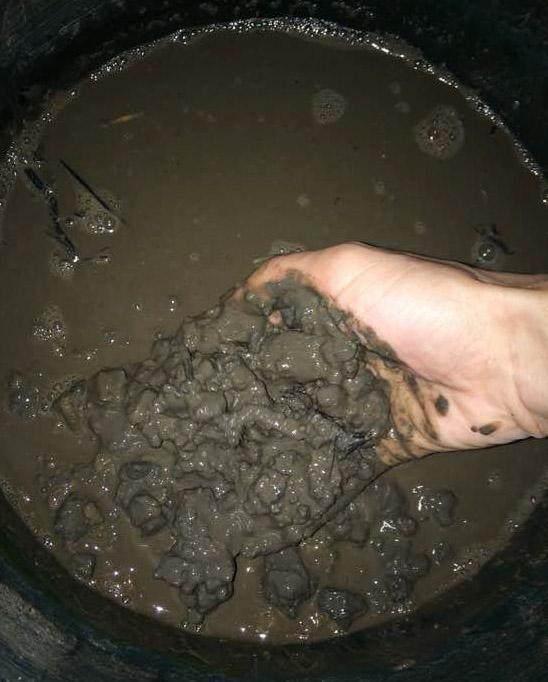
This secret is, "pond mud"!
Don't mind the dirt, this kind of soil is a treasure for growing flowers and plants. Use it to grow pennywort, and you basically don't need to fertilize anymore. That's because pond mud is formed over time from the decay of branches and fallen leaves as well as underwater microorganisms, and it is rich in nutrients that promote rooting and revive growth. And the fertilizing effect of pond mud is truly no worse than any kind of organic fertilizer.
Many gardeners, after seeing pond mud, might say, isn't it great for growing bowl lotus? Of course! Because pond mud is rich in nutrients, it suits every kind of hydroponic plant. For potted plants that can be grown half in soil and half in water, like pennywort and bowl lotus, it is most suitable.
Using pond mud also has its particularities. Because pond mud is too strong in energy, it is best to mix in some soil when using it, to avoid burning the roots of pennywort. Using this medium to grow pennywort will make growing pennywort much more effortless from now on, and you won't have to think about fertilizing anymore.
What should you do when pennywort leaves turn yellow?
Most of the reasons pennywort leaves turn yellow are caused by poor ventilation. Because pennywort leaves are too densely packed, if it stays in a poorly ventilated environment for a long time, it easily causes yellow leaves and rotting leaves. When you notice the first signs of yellow leaves, don't panic, it is recommended to spray with monopotassium phosphate. This liquid fertilizer contains phosphorus and potassium, both essential elements for plant leaf photosynthesis. Spraying it on plant leaves can prevent yellow leaves and turn yellow leaves green again.
That's all for the knowledge about pennywort care, thank you for reading!
Remember to like and share~