Free-range chicken farming technical materials download, master scientific rearing methods
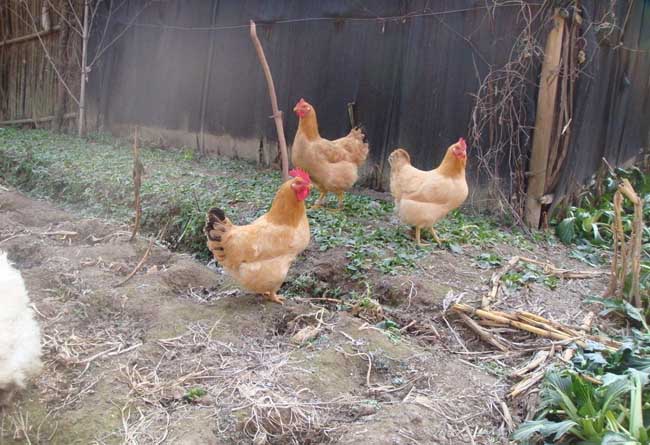
The free-range chicken is a type of poultry, different from caged broiler chickens, among which the “hillside free-range chicken” is the best; the rooster has a large red comb, is fierce and combative, and the hen has a very small comb. Also called grass chicken or stupid chicken, it refers to broiler chickens raised freely in mountain forests and orchards, with characteristics such as tolerance of rough feed, strong broodiness and strong disease resistance, and delicious meat. Its eggs sell very well in urban and rural markets, and the egg price is also higher than that of ordinary eggs, with high nutritional value. The chicken meat is delicious, the egg quality is excellent, and it is rich in nutrients, with broad market demand prospects. Moreover, because most are raised freely in forests or orchards, it is closer to the requirements of green and environmental protection, and therefore more favored by consumers· For farmers with certain conditions, the cost of raising free-range chickens is relatively low, suitable for family farming, and the rearing cycle is relatively long, generally about 6 months to reach adulthood.
Chapter 1 Chicken Coop Construction
1. Construction of the chicken coop
Raising chickens under the forest means making full use of the environment such as orchards, mountain forest shrubland and grassland, so coops should be built in a simple way, with a certain number of chicken coops put up. The chicken coop is mainly used to provide chickens with rest and shelter from the wind, so it can be relatively simple; generally a slightly level spot can be cleared on the mountain, and fences can be woven from straw, wooden strips and plastic rope, or enclosed with plastic cloth, plastic film or felt. Generally the shed is 5m wide, the height at the middle of the shed is 1.8-2.0m, and the length is determined by the number of chickens raised, generally best controlled at 15 chickens per square meter. At the same time, wooden strips or bamboo poles can be used to build a platform 30cm above the ground inside the coop along the direction of the chicken-raising forest area, with 1 placed every 1cm, for the chickens to perch on.
2. Construction of the fence
For the enclosure net of the chicken-raising mountain forest, choose nylon net, plastic net or steel net, and bamboo poles or tree trunks can also be used as the fence. The stocking density of the enclosure is generally controlled at 2250-3000 chickens per hectare (where conditions permit, a rotational grazing method can be adopted to help the grassland rest and recover); a fence is set around the site, with a height of 1.5m, and a wooden stake driven every 2m, and the plastic net can be fixed to the wooden stakes (bamboo fencing can also be woven from bamboo).
3. Site selection
Choose a site that has passed environmental monitoring and meets pollution-free requirements, such as an orchard or forest land (preferably with grass). At the same time, the site is required to be relatively enclosed, easy to isolate, facing the sun, sheltered from the wind, and dry.
4. Equipment selection
Feed buckets and drinkers should be determined according to the number of chickens raised; generally 1 feed bucket and 1 drinker are provided for every 30 chickens, and when the chickens are released these pieces of equipment should be placed outside the coop.
Chapter 2 Chicken Feed Preparation
1. Preparation of fresh live insect feed
To make the free-range chicken meat delicious, grow fast and save costs, insects can be raised artificially near the farming area to feed the chickens. The method currently adopted is mainly the straw insect-breeding method; the specific practice is: dig a rectangular pit 0.6m wide and 0.6m deep, cut straw into 6-7cm lengths, boil in water for 1-2h, scoop out and pour into the pit. Cover it with 6-7cm of sludge, pour a basin of rice-washing water on it every day, and in about 8d insects will appear; after turning over the sludge and letting the chickens eat the insects, this method can continue to be used to breed insects again.
2. Concentrated feed
Choose feed produced by feed manufacturers with stable product quality and a good reputation, such as Jinmanchuan, CP and Tainong brand feeds. When buying feed, pay attention to 3 aspects:
① Check the label, and choose to buy small, medium or large chicken feed according to the chicken's age.
② Check the production date and shelf life.
③ Check whether the feed packaging is damaged.
Chapter 3 Chick Rearing and Management
1. Construction of the brooding room
Generally the brooding room is converted from an empty room; brood 40 chickens per square meter, and use a stove or infrared lamps for combined heating. On the ground, spread disinfected, warm and dry wood shavings or rice straw cut into 3-5cm as litter. The brooding room must have ventilation windows, so that it can both keep warm and use the entry of fresh air to allow harmful gases such as carbon dioxide and ammonia in the brooding room to be discharged.
2. Drinking water
The first time chicks drink water is called “first drink”. On the 1st day of brooding, giving chicks sugar water to drink can reduce the brooding mortality rate in the first 7d; the concentration of the sugar water is generally 8%, and it is enough if it tastes slightly sweet. Vitamins can also be added to the drinking water, which can reduce early chick mortality. Water consumption is greatly affected by environmental temperature and other factors; in hot seasons provide chicks with cool water as much as possible, while in cold winters provide warm boiled water not lower than 20°C, and the water quality must meet drinking water standards.
3. First feeding
The first time chicks are fed is called “first feeding”. Generally chicks can only be given their first feeding after all of them have been drinking water for 3-6h, with a feeding amount of 400-500g per 100 chicks.
4. Feeding
Each week use the method of feeding less and adding more frequently, feeding 6-8 times a day, with the feeding amount based on finishing within 10min. After 7d, according to the chicks' feeding habits, the feed in the feed bucket should be loaded in small amounts and added frequently, and the feed for the day should be finished on the same day.
5. Brooding temperature
In the 1st week the room temperature is 32-35°C, from the 2nd week lower it by 2-3°C each week, and stop heating at 4-6 weeks of age. Temperature is the most important factor in the chick rearing environment; a suitable temperature is conducive to the absorption of the yolk and resistance to pullorum disease.
Chapter 4 Management of Free-Range Chickens
Before the chicks are moved to the mountain, the chicken coop must be built in the fruit forest first. Moving chickens should preferably be done at night to reduce disturbance to the chickens. During the day, let the chickens move freely among the trees, and drinking water and feed are also provided outside the coop. To help the chicks develop the habit of foraging in the fruit forest and woodland as early as possible, starting from when they leave the brooding period and are transferred to the fruit forest and woodland, at least 2 people should cooperate every morning to carry out guided training. The daily release time must not be too early; if too early the weather is cold, the chicks have poor resistance and are difficult to keep alive. Except on rainy or windy days, the chicks can all be allowed to move outdoors, and in the evening drive the chickens back to the coop. On rainy days when the chickens cannot go out to forage, place enough water basins or water troughs and supplement feed in time. When pesticides are applied in the fruit forest and woodland, releasing the chickens is prohibited, and the suspension time is determined according to the pesticide safety period, to prevent the chickens from pesticide poisoning. Outsiders and livestock and poultry are not allowed to enter the free-range site, to prevent the introduction of infectious diseases. At the same time, prevent harm from harmful animals such as snakes, beasts and birds.