How to Prepare Fox Feed? A Detailed Guide to Practical Methods
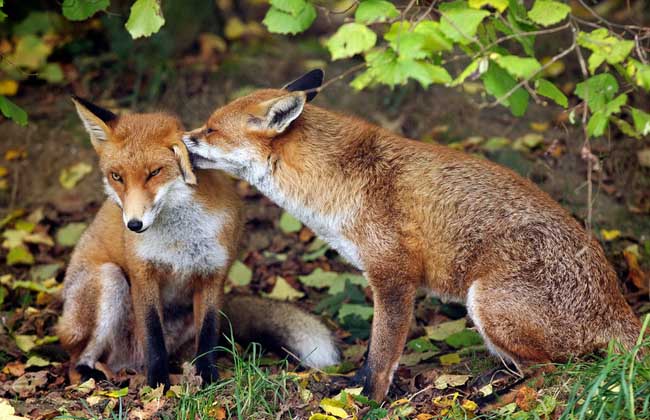
Foxes are carnivorous animals, feeding mainly on rodents, fish, frogs, mussels, shrimp, crabs, earthworms, birds and their eggs, insects, and the carcasses of healthy animals. Under captive rearing conditions, prepared feed is the mainstay, and during important rearing stages it is enough to supplement with some animal meat scraps such as intestines, stomach, head, and bones. Let us take a look at fox feed formulas below!
Types of Fox Feed
1. Plant-based feed: Plant-based feed for foxes includes grain seeds such as corn and wheat and their processed by-products, legume seeds such as soybeans and peanuts and their processed by-products, and various fruits and vegetables such as radish, apple, lettuce, Chinese cabbage, and sweet potato vines.
2. Animal-based feed: Apart from poisonous fish, animal-based feed for foxes includes various marine trash fish, freshwater fish and their processed by-products (such as internal organs), the meat of various healthy livestock, poultry and wild animals and their processed by-products (such as paws, head, wings, liver, lungs, skeleton, blood, ears, spleen, intestines), silkworm pupa powder, meat-and-bone meal, fish meal, dried fish, dried powder, feather meal, eggs (including dead chick eggs), and dairy products.
3. Additive feed: Additive feed for foxes includes amino acids such as lysine and methionine, malt, cod liver oil, yeast, and vitamins, minerals such as shell powder, bone meal, salt, and various trace elements, antibiotics such as oxytetracycline, tetracycline, and olaquindox, and antioxidants such as BHA, BHT, and dihydropyridine.
Fox Feed Formulas
1. Pre-mating period: marine trash fish 50-52%, meat 5-6%, grains 13-14%, vegetables 12-13%, milk and water 13-15%; 5-10% wheat bran may be added to the grain feed; daily feeding amount 540-550 grams.
2. Mating period: marine trash fish 57-60%, meat 5%, grains 12-13%, vegetables 10-12%, milk and water 10-12%; 5-10% wheat bran may be added to the grain feed; daily feeding amount 500 grams.
3. Gestation period: marine trash fish 52-55%, meat 5-6%, grains 10-11%, vegetables 10-12%, milk and water 12-16%; 5-10% wheat bran may be added to the grain feed; daily feeding amount 530 grams.
4. Whelping and lactation period: marine trash fish 53-55%, meat 7-8%, grains 11-12%, vegetables 12-13%, milk and water 15-18%; 5-10% wheat bran may be added to the grain feed; daily feeding amount 620-800 grams.
Feeding Precautions for Foxes
1. Foxes have a relatively small gastrointestinal volume, and the length of the intestine is only 4 to 5 times the body length. Therefore, they are only suited to a diet based mainly on animal-based feed. In production, if scientific feeding and management are not observed, ketosis is easily triggered, and the occurrence of fox ketosis should be taken very seriously.
2. For fox populations with the disease, feed therapy should generally be adopted: reduce the proportion of animal-based feed, especially feed rich in fat, increase the proportion of grain-based feed rich in carbohydrates and the proportion of vegetables in the daily ration, and add an appropriate amount of white sugar to the feed, which helps rapidly raise the blood glucose level of foxes and reduce ketone body production. Adding 2 mg to 3 mg of vitamin B1 per day to the feed can improve the body's decarboxylation and detoxification capacity.
3. During the rapid growth period of young foxes from July to August, to meet their needs for rapid growth and development, feed of the high-fat, medium-protein and low-carbohydrate type should be used. When handling the relationship among the three major nutrients, protein should be taken as the core: first determine the protein supply at the medium level for the year (highest during the winter fur growth period), then select the corresponding fat and carbohydrate levels from the table of relationships among the three major nutrients, and within the floating range choose the upper limit for fat and a relatively lower level for carbohydrates.
4. Never mistakenly choose the highest level of fat from different periods, causing the fat level to be too high, nor choose the lowest level of carbohydrates from different periods, causing the carbohydrate level to be too low. Doing so leads to disordered nutrient metabolism in foxes due to imbalanced nutrient supply, thereby triggering ketosis.
5. Although foxes are carnivorous animals, attention should be paid to adding vegetables to the feed to meet the fox's need for vitamins and to promote normal peristalsis of the digestive tract, and attention should be paid to adding various vitamin additives to meet vitamin needs in different periods. To keep foxes in normal metabolism and prevent ketosis, 0.4 mg of vitamin B1 should be added to the daily ration; for Arctic foxes, the amount should be increased further.
6. In hot seasons, foxes should be allowed free access to drinking water; the morning feeding should be moved up appropriately, the evening feeding should be delayed appropriately, and the noon supplementary feeding should be quick, so as to reduce oxidative rancidity of the feed. When raising foxes with freshwater fish, be sure to feed it cooked. Pay attention to ventilation in the fox farm, frequently sprinkle water on the ground to lower the temperature, and avoid direct sunlight exposure to the foxes.