Sand Fox Picture Gallery, High-Definition Sand Fox Photos to Enjoy
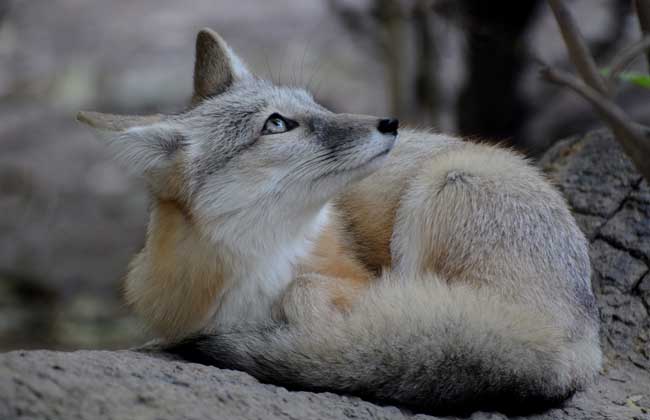
The sand fox, also known as the East Sand Fox, is a typical animal of the genus Vulpes and the smallest of the fox genus in China. Its limbs and ears are slightly smaller than those of the red fox. Its coat color is light sandy brown or light brownish gray with obvious off-white tones, the back is light silver-gray or reddish gray, the belly is white mixed with yellow, and the lower jaw is white. Its entire body fur is thick and soft. Its ears are large and pointed with broad bases. Its body length is 500-600 mm (excluding the tail), and its tail length is 250-350 mm.
The distribution of the sand fox starts from the lower Volga River basin in the west and extends eastward across most of Central Asia. The main countries of distribution include Afghanistan, China, India, Iran, Kazakhstan, Kyrgyzstan, Mongolia, Russia, Turkmenistan, Uzbekistan, and others. In China, it is mainly distributed in **, Qinghai, Gansu, Ningxia, Inner Mongolia, Tibet, and other places.
The sand fox is very active during the day, and there are also reports of nocturnal activity. It is good at climbing and has moderate speed, not as fast as other slow dog species. Its hearing, vision, and smell are all keen. It wanders around and has no fixed living area. In the winter snow season when foraging is difficult, it will migrate southward. Compared with other foxes of the genus Vulpes, the sand fox is more social, and even multiple individuals may live together in the same burrow. In winter, they form small foraging groups, and the group includes mates and adult offspring. They live in adjacent burrows similar to a “sand fox city.” These burrows are often taken over from other animals, such as marmots.
The sand fox is a carnivorous animal with small teeth. It mainly feeds on rodents, followed by birds and insects. The Daurian ground squirrel, striped dwarf hamster, and Brandt's vole make up more than 50% of the sand fox's diet. Other rodents, such as the steppe marmot, brown rat, and jerboa family, account for less than 25%. Birds are mainly of the lark family, and insects are mainly of the grasshopper family, also including red bugs, ground beetles, tiger beetles, water scavenger beetles, and others.
The sand fox is very skilled at catching rodents. It first leaps into the air, then pounces on its prey, and the prey rarely has a chance to escape. With the help of a pair of broad ears, they can accurately locate the direction in which the prey is running. Its main natural enemies include the caracal and the African eagle-owl. In addition, animals such as jackals, hyenas, and saker dogs may also prey on the sand fox.