What are the living habits of foxes? A comprehensive look at the characteristics of foxes
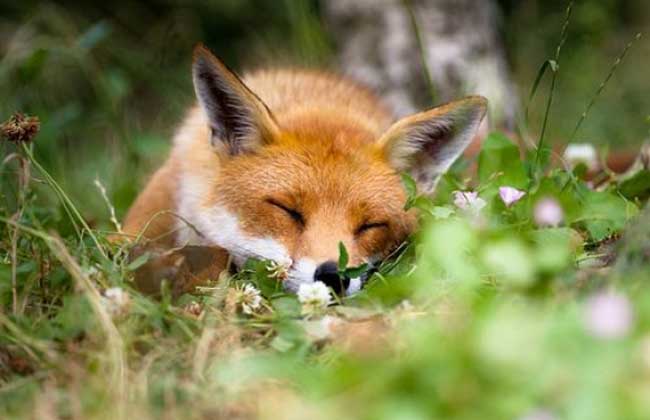
Foxes live in a fairly wide range of environments and can adapt to and are found in forests, grasslands, deserts, mountainous areas, and plains. Foxes often make their homes in rock crevices, tree hollows, earthen burrows, and grave pits, but they are very particular about their choice: first, it must be quiet and comfortable; second, it must be hidden and safe; third, it must be convenient for coming and going. In short, although foxes mostly use natural caves as their dwellings, they never settle casually, and sometimes they even settle down only after trying a place out and being satisfied with it.
Although foxes are carnivorous animals, they have a fairly omnivorous diet. They often feed on small mammals, birds, reptiles, amphibians, fish and shrimp, and also eat plant foods such as melons and fruits as well as roots, stems, and leaves. They often vary their fare and adjust the variety of their food, and when food is scarce they even eat insects, carrion, and the like.
Foxes are relatively small and limited in ability, so they cannot capture prey by outright force like jackals, wolves, tigers, and leopards. They can only rely on “outsmarting” their prey. They are highly intelligent, quick-witted, and full of ideas for catching food. Before acting, they always think through several plans. In addition to the specific capture steps, they also think very carefully about how to escape. Therefore, when they enter villages to carry out deeds such as “stealing chickens and dogs,” they often succeed easily. Once they spot danger while hunting, they would rather give up a fine meal and endure hunger than quickly slip away. Foxes do not do foolish things that “cost them more than they gain.” When hunting in the wild, foxes often choose to lie in ambush and suddenly strike when the prey comes near. Sometimes they also approach prey in a playful manner and then suddenly exert force, leaping up to pounce. Food that they cannot finish at once is properly buried and stored for later eating. Foxes like to live in dry, clean environments, can climb cliffs and swim, and prefer to be active and seek food at night.
The lifespan of foxes varies with the species. The red fox lives 8-12 years, with a breeding life of 4-6 years; the silver fox lives 10-12 years, with a breeding life of 5-6 years; the Arctic fox lives 8-10 years, with a breeding life of 4-5 years. The generally best breeding age is 3-4 years. In nature, their natural enemies include wolves, lynx, hunting dogs, and birds of prey such as eagles and vultures.