Detailed Explanation of Key Technical Points for Fox Disease Prevention and Control
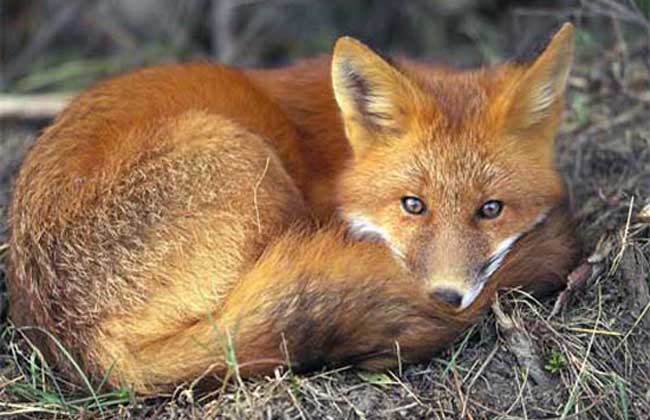
Foxes are important economic fur-bearing animals, and together with mink fur and Persian lamb fur, they form the three pillars of the international fur industry. In recent years, fox farming has helped many people get rich, and the prospects are good. In the breeding process, fox disease prevention and control is a very important issue. Below, let us take a look at fox disease prevention and control techniques together!
Fox Umbilical Inflammation
[Causes] The pathogen is fox adenovirus, also known as fox umbilical inflammation virus. The virus has strong resistance, is resistant to acid and ether, and can withstand 70% alcohol treatment. It can be killed by disinfectants such as 4% Lysol, 2% sodium hydroxide, and 20% bleaching powder. The fox adenovirus isolated in China is basically the same as canine infectious hepatitis virus, and at 4°C it can agglutinate guinea pig, chicken, and human type O red blood cells.
[Symptoms] The incubation period is 6-7 days, with elevated body temperature, nasal discharge, diarrhea, and eye tremors. This is followed by excitement, spasmodic muscle contractions, and extreme sensitivity to stimuli. In the later stage, there is incoordination of voluntary movement, mental depression, sluggishness, and hemiplegia or paraplegia. The course of disease is about 2-3 days, mostly ending in death. When the disease follows a chronic course, it causes miscarriage and difficult birth in female foxes, and death of fox cubs in the first few days after birth.
[Treatment] There is currently no effective therapy. Traditional Chinese medicines such as honeysuckle flower, weeping forsythia fruit, isatis root, and dyers woad leaf can be tried, ground into powder, and given orally at 5 grams per fox, 2 times a day, for 3-5 consecutive days.
[Preventive Measures] Strengthen sanitation and epidemic prevention, disinfect regularly, and isolate sick animals promptly. When introducing breeding stock from abroad, customs quarantine work must be strengthened, with isolation and observation for 1 month; only those without disease can be transported back.
Encephalomyelitis
[Causes] A disease caused by an acute neurotropic virus. Under natural conditions, young foxes aged 8-10 months are susceptible, with a mortality rate of 10%-20%. Adult foxes are more resistant, but under conditions of feeding with incomplete-price feed and decreased body resistance caused by chronic diseases, the mortality rate of adult foxes after illness is very high. This disease mainly occurs in summer and autumn and is often sporadic.
[Symptoms] Sick foxes show increased excitability and brief epileptic seizures. After seizures, some cases show spasmodic contraction of muscle groups, unsteady gait, and dilated pupils. During seizures, sick foxes often show spasmodic chewing movements and foam-like fluid flows from the mouth. Silver foxes sometimes call loudly, which can last 3-5 minutes, after which the sick fox dies or calms down. After calming down, the sick fox still lies down and does not respond to stimuli, feed, or calling. Before and after seizures, sick foxes sometimes circle, walk and pace along the cage, chew continuously, stare blankly, and sometimes lose vision. The pathological course is 2-3 days. Chronic attacks can cause miscarriage, difficult birth, and death of fox cubs in the first few days after birth.
[Prevention and Treatment Methods] There is no specific drug for treating this disease, and symptomatic treatment is generally used. Anesthetics can be applied to sick foxes to induce deep sleep for 20-25 hours, but after medication, most cases relapse and eventually die. Those with mild symptoms of encephalomyelitis should all be isolated and raised, and observed until the fur harvesting period. To eliminate this disease, fox farms must implement comprehensive veterinary sanitation measures and regularly disinfect the ground, cages, equipment, and staff work clothes.
Infectious Hepatitis
[Causes] Also called blue fox and silver fox infectious hepatitis, it is caused by an adenovirus and often occurs as an endemic outbreak. Its morbidity and mortality do not change with the seasons, but summer and autumn are most favorable for the spread of this disease. The virus invades the fox body through the respiratory tract, digestive tract, and damaged skin and mucous membranes. The virus can also be transmitted to fetuses and fox cubs in the uterus and during the mother fox's lactation period. The virus can increase its virulence through fur-bearing animals and cause disease in adult fur-bearing animals. Under natural conditions, the incubation period of this disease is more than 10-20 days; under artificial infection, the incubation period is 5-6 days. This disease is divided into acute, subacute, and chronic types.
[Acute Cases] Manifested as refusal to eat, mental sluggishness, and body temperature rising above 41.5°C until death. Sick foxes develop vomiting and increased thirst. The course of disease does not exceed 3-4 days, and they gradually become comatose and die. In many cases, sick foxes die suddenly without any symptoms.
[Subacute Cases] Manifested as mental depression and remittent fever. Sick foxes lie down and are unsteady when standing up, with swaying gait. The hind limbs are weak and powerless, and there is rapid weight loss. The conjunctiva and oral mucosa show anemia and jaundice. There is incomplete paralysis or paralysis of the hind limbs. During the onset period, the body temperature of sick foxes rises above 41°C. When body temperature rises, it is accompanied by cardiovascular system disorders, with heartbeat reaching 100-120 beats per minute, and pulse arrhythmic and weak. After the above symptoms appear in sick foxes, they may disappear, but after a period of time the above symptoms reappear and are more pronounced. The urine of sick foxes is dark brown, and excitement and depression alternate. Sick foxes often hide in a corner of the cage and show aggression when fed. The course of disease is about 1 month, finally ending in death or turning chronic.
[Chronic Cases] Symptoms are not obvious and unstable. Sick foxes often show reduced appetite or temporary loss of appetite, sometimes gastrointestinal disorders (alternating diarrhea and constipation) and progressive weight loss, with short-term elevated body temperature. Generally, chronic cases can survive until the slaughter period.
[Prevention and Treatment Methods] There is currently no specific treatment. For sick blue foxes and silver foxes, vitamin B(12) can be injected intramuscularly at a dose of 350-500 micrograms per animal, and 250-300 micrograms per fox cub, for 3-4 consecutive days. At the same time, folic acid can be mixed into the feed at 0.5-0.6 milligrams per animal for 10-15 consecutive days. The preventive measure for this disease is to isolate sick foxes and suspected sick foxes until slaughter. Cages and dens should be thoroughly disinfected, and the ground should be disinfected with 10%-20% bleaching powder.