A Comprehensive Analysis of the Living Habits of Tilapia
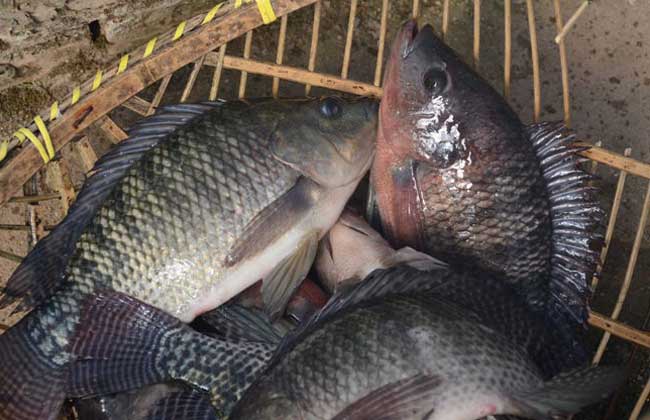
Tilapia has a very strong adaptive capacity, can reproduce even in small bodies of water, and can even grow in rice paddies. It also has extremely strong adaptability to water with low dissolved oxygen. The vast majority of tilapia are omnivorous, often eating aquatic plants and debris. Let's take a detailed look at the living habits of tilapia below!
Tilapia is an omnivorous fish
Tilapia is an omnivorous fish that feeds mainly on plants. In ponds, the contents of the digestive tract of tilapia are mostly organic debris and other plant-based feed (such as aquatic plants, commercial feed, etc.), followed by phytoplankton, zooplankton and a small amount of benthic animals.
Tilapia is a fish tolerant of low oxygen
Tilapia has a very strong tolerance to low oxygen, with an asphyxiation point of 0.07-0.23 mg/L. When the dissolved oxygen in the water is 1.6 mg/L, tilapia can still live and reproduce. When the dissolved oxygen in the water is above 3 mg/L, growth is not affected.
Tilapia is not tolerant of low or high temperatures
The survival temperature range of tilapia is 15-35°C. When the water temperature is below 15°C, tilapia enters a dormant state. The maximum critical temperature for tilapia is about 40-41°C, the most suitable growth temperature is 28-32°C, and the reproduction temperature of tilapia is above 20°C.
Tilapia has strong reproductive capacity
Tilapia matures early, has a short spawning cycle, incubates young fish in its mouth, and has low requirements for breeding conditions, reproducing naturally in large still water bodies. Tilapia reaches sexual maturity at 6 months. A female fish weighing about 200 grams usually carries about 1000-1500 eggs. During the breeding period, the male fish has a beautiful nuptial coloration, with two openings on the abdomen, the anus and the urogenital pore, and white semen can be squeezed out of the abdomen. The female fish has three openings on the abdomen, namely the anus, the genital pore and the urinary pore. At a water temperature of 18-32°C, mature male fish have the ability to "dig nests", and mature female fish enter the nest to pair, release mature eggs and immediately take them into the mouth to fertilize the eggs. The fertilized eggs develop in the female fish's mouth, and at a water temperature of 25-30, young fish can hatch in 4-5 days. The young fish leave the mother when the yolk sac disappears and they have a certain ability.