Detailed Explanation of Tilapia Farming Techniques and Management Methods
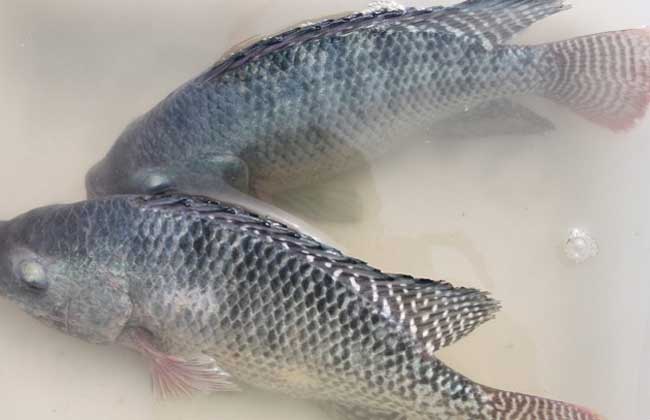
Tilapia is a small to medium-sized fish, similar in appearance and individual size to crucian carp, with many spines on its fin rays like a mandarin fish. The main species farmed in China include Nile tilapia, blue tilapia, Mozambique tilapia, and various hybrid offspring of different combinations, all with high farming value. Let us take a look at tilapia farming techniques below!
Living Habits of Tilapia
1. Omnivorous diet: Tilapia is a plant-based omnivorous fish. In ponds, the contents of the digestive tract of tilapia are mostly organic debris and other plant-based feed (such as aquatic plants, commercial feed, etc.), followed by phytoplankton, zooplankton, and a small amount of benthic animals.
2. Tolerant of low oxygen: Tilapia has a very strong tolerance to low oxygen, with an asphyxiation point of 0.07-0.23 mg/L. When the dissolved oxygen in water is 1.6 mg/L, tilapia can still live and reproduce. When the dissolved oxygen in water is above 3 mg/L, growth is not affected.
3. Not tolerant of low or high temperatures: The survival temperature range of tilapia is 15-35°C. When the water temperature is below 15°C, tilapia enters a dormant state. The maximum critical temperature for tilapia is about 40-41°C, the most suitable growth temperature is 28-32°C, and the reproduction temperature for tilapia is above 20°C.
4. Strong reproductive capacity: Tilapia matures early, has a short spawning cycle, incubates young fish in its mouth, has low requirements for breeding conditions, and can naturally reproduce in large still water bodies.
Tilapia Breeding Techniques
The suitable water temperature for tilapia breeding is 22-23°C, and natural spawning generally occurs after mid-May. To seize the season, make full use of light, heat, and feed resources to increase farming output, artificial heating must be adopted, along with intensive cultivation and early spring breeding, so that tilapia can spawn and hatch fry in mid-April. The specific measures are as follows.
1. Parent fish selection and cultivation: Select well-matured parent fish and place them in a spawning pond in mid-March for intensive cultivation. An overwintering pond can be used as the spawning pond. Generally, 6 parent fish are stocked per square meter of spawning pond, with a male-to-female ratio of 2:1 or 3:1, and the water must be changed regularly.
2. Heating and feeding management: The water temperature in the pond should be controlled above 23°C. The water quality should be fertile, lively, and fresh. The feeding amount can be determined according to water temperature, water quality, and fish growth. Generally, the daily feeding amount for still water ponds is 2% of the fish body weight, and for flowing water ponds it is 3%. At the same time, the fish activity and gonad development degree should be observed frequently, and various records should be kept properly.
3. Spawning: Male and female tilapia have obvious differences in body color. The male fish in heat swims along the pond edge, looking for a place to make a nest. The nest is pot-shaped, with a diameter of 30-40 cm and a depth of about 10 cm. After the nest is built, the male fish occasionally goes among the female fish to court them and intercepts female fish into the nest for pairing. When the water temperature reaches 22-23°C, the female fish can spawn. During spawning, the abdomen of the female fish is close to the bottom of the nest, and the male fish guards beside the nest. After the female fish spawns, she immediately sucks the eggs into her mouth, and the lower jaw bulges into a sac shape. The male fish then enters the nest and releases sperm, and the female fish also sucks the sperm into her mouth with the water. The eggs are fertilized in the mouth.
4. Fry hatching: The fertilized eggs of tilapia hatch in the mouth of the female fish and are turned as the female fish breathes, thus receiving the protection of the mother and having a good hatching environment. When the water temperature is about 30°C, fry hatch in about 4-5 days; at 25°C, it takes about 7 days.
Tilapia Farming Techniques
1. Pond preparation: An area of 3-5 mu is suitable, with a flat pond bottom. Ten days before stocking, spread 60-70 kg of quicklime per mu over the whole pond to clear the pond and disinfect it. After 2-3 days, apply 75-100 kg of farmyard manure such as chicken manure and pig manure per mu, fill with water to one meter, and release fish fry once the water color turns tea-brown or oil-green.
2. Fingerling stocking and combination: In southern regions, release fry in mid-to-late April when the temperature rises steadily (water temperature above 18C). Stock 2000-2500 Oni summer fry with a size of 3.0-3.5 cm per mu, 40 large-size bighead carp, 30 silver carp, and optionally a small number of carp, crucian carp, etc.
3. Early-stage feeding: After releasing the fry, stir soaked peanut cake or rapeseed cake evenly and splash it along the pond edge toward the center, feeding 1.5-2 jin per mu per day. After one month of farming, the fry can grow to about 10 cm and reach a size of 10-12 grams in body weight.
4. Mid-to-late stage management
① Feed feeding: The growth temperature of Oni tilapia is 22-32C, and its appetite is strong. The feeding range should be wide so that all fingerlings can feed as evenly as possible. Its feed includes rapeseed cake, bran cake, wheat bran, peanut cake, soybean cake, etc., and it is best to use them in combination. If conditions permit, feed tilapia full-price compound feed twice a day, from 9:00-10:00 in the morning and from 4:00-5:00 in the afternoon. Daily feeding amount: body weight 10-20 grams, 5-7%; 20-50 grams, 4-6%; 50-100 grams, 3-5%; 100-200 grams, 2-4%; above 200 grams, about 2% of the fish body weight.
② Water quality regulation: From mid-May to June, water can be gradually added to 1.5 m. July and August are high-temperature seasons, so add water to about 1.8 m. If conditions permit, it is best to change the water once a week to keep the water fresh and prevent pond turnover.
③ Fish disease prevention and control: Adhere to the principle of prevention first and equal emphasis on prevention and control. Before stocking fingerlings, they can be soaked in 4-5% salt water for 10-15 minutes. May to September is the season when fish diseases occur frequently. Every half month, 1 ppm of bleaching powder or 20 kg of quicklime per mu can be spread over the whole pond. When signs of fish disease appear, medicated bait with antibiotics and vitamins can be fed for 3-5 days.