How to Raise Tilapia? Tilapia Farming Technique Video Tutorial
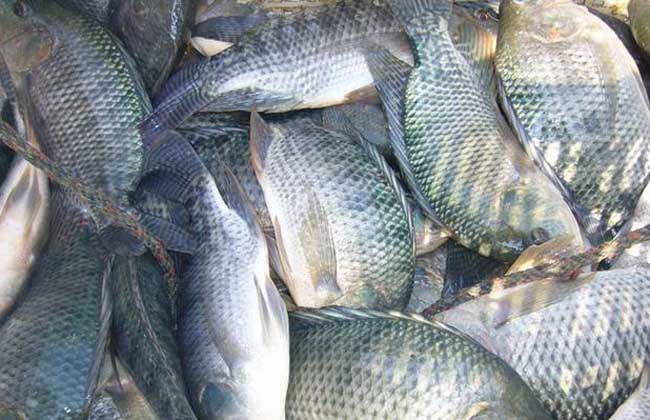
Tilapia is native to Africa and resembles the local crucian carp, so some people also call it “African crucian carp”. It has the advantages of a varied diet, fast growth, strong adaptability, few diseases, a high male ratio, high population yield, and good meat quality. It has now been promoted for farming across the board. Let us take a look at the tilapia farming technique video together below!
Cage Culture Method
Tilapia can be cultured alone, as the main species, or in polyculture in cages. Large-sized fingerlings are preferable, generally with an entry size of 10-50 g per fish. When the dissolved oxygen content is above 3 mg per liter, the stocking density is 3-20 kg per cubic meter.
Flowing Water Culture Method
Tilapia is one of the main species for high-density flowing water culture or “factory-style” culture. The culture pond should not be too large; for grow-out fish, 30-50 sq m is generally suitable. Keep the dissolved oxygen in the pond water above 3 mg per liter. Intensive culture requires feeding a compound feed with comprehensive nutrition, and the protein content of the feed should be about 30%. Feed 5-6 times a day, with the feeding amount at 2.5%-3% of the fish body weight.
Pond Culture Method
1. Pond conditions: The culture site should be chosen in a place sheltered from the wind and facing the sun, with sufficient water sources, fresh water quality, no pollution, quiet surroundings, and convenient transportation. The pond area is 3-5 mu, the water depth is 1.5-2 m, and the pond bottom mud thickness is 20-30 cm. Each pond is equipped with one 1.5 kW paddle-wheel aerator.
2. Pond clearing and fertilizing: Before stocking fingerlings, clear and disinfect the pond. Generally in early to mid-April, use 75-100 kg of quicklime per mu to clear the pond, add water to a depth of 1 m after 7 days, then apply 300-400 kg of decomposed manure per mu, and a small amount of duckweed or azolla can be added.
3. Fingerling stocking: Each spring, when the water temperature rises and stabilizes above 15°C, begin stocking winter fingerlings. For pond main culture, generally stock 1500-3000 fingerlings per mu, and at the same time polyculture 40-70 silver carp and 40-70 bighead carp fingerlings to control water quality. When polycultured with other fish, 200-500 fingerlings can be stocked per mu.
4. Bait feeding: Tilapia can begin to be fed 2-3 days after entering the culture water. Tilapia has a very wide feeding habit. Under artificial rearing conditions, various feeds can be given, such as wheat, corn, and oilseed cakes, all of which are high-quality feeds for it. The protein content in the feed should initially be 32%-35%, and the daily feeding amount should be 3%-5% of the total fish body weight. When the individual size grows to about 200 g, the feeding amount can be adjusted to 2% of the total fish body weight, and the protein content in the feed should be ensured at 27%-29%. When the individual reaches about 300 g, tilapia enters its fastest growth period. The daily feeding amount should be kept at 1%-2% of the fish body weight, and the protein content in the feed should be above 35%. Feed twice a day, at 8-9 a.m. and 3-4 p.m. respectively.
5. Daily management
① Measure water temperature and air temperature every morning, noon, and evening, measure pH value once a week, and measure transparency twice. Patrol the pond once in the early morning and once at night.
② After the fingerlings are put into the pond, keep the pond water tea-brown in color, with a transparency of 25-30 cm. Generally, apply fertilizer once a week, with 150-200 kg of livestock manure per mu each time. In clear weather, when the water transparency is greater than 30 cm, the amount of fertilizer can be appropriately increased. When the water is too fertile, reduce or stop fertilizing and inject fresh water. In high-temperature seasons, generally change the water 1-2 times a week, each time changing 20%-30% of the pond water.
③ Persist in healthy culture, operate according to procedures, and prevent fish diseases. Before the fry and fingerlings are put into the pond, soak the fish body in 5% salt water or 0.1 mg per liter potassium permanganate solution for 10-15 minutes. Every 10-15 days, dissolve 15-20 kg of quicklime per mu in water and splash it over the whole pond to adjust the pond water pH to slightly alkaline, use biological preparations to improve the pond microbial structure, and improve water quality. When dissolved oxygen is low and the fish have slight floating head, turn on the aerator.
Rice Paddy Culture Method
1. Stocking preparation: After the rice paddy field engineering is completed, 2 weeks before stocking, dissolve 75-100 kg of quicklime per mu in water and splash it in the fish ditches and fields for disinfection. The next day, rake the ditches and field bottom once so that the lime slurry and mud are fully mixed. One week before releasing the fry, apply fermented livestock manure to fertilize the water, at 200 kg per mu, to cultivate natural bait in the water.
2. Stocking time: Generally about 5 days after rice transplanting, stock when the seedlings turn green. In some places, in order to increase the fish growth period, fingerlings are put into the fish ditches in mid-May for rearing, and after the seedlings turn green, the fish ditches are opened to release the fish into the field. This is also an effective and good method.
3. Stocking method: Fingerlings should be selected with a strong physique, strong activity, no injuries or diseases, and uniform size. The stocking density should be reasonable. Generally, 200-300 tilapia fingerlings of 5-6 cm can be stocked per mu, together with 150-200 grass carp, common carp, and others. The specific stocking amount can be flexibly controlled according to the rice paddy conditions, water quality environment, irrigation and drainage conditions, and management level.
4. Stocking operation: Fingerlings must be disinfected before entering the pond, generally soaking the fish body in 3%-5% salt water for 5-10 minutes. The time for releasing fish should be chosen on a sunny morning or evening, and fish must never be released on rainy days or at noon on sunny days.