The Complete Guide to Tilapia: Recipes, Nutritional Value and Farming Techniques
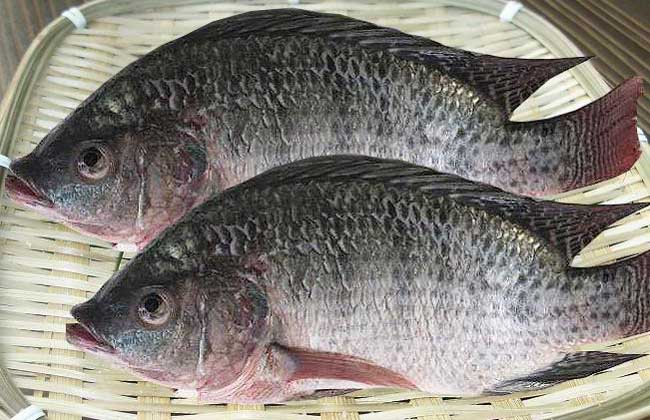
The Living Habits of Tilapia
1. Strong adaptability: The growth of tilapia is closely related to temperature. Its growth temperature range is 16-38°C, with the optimal temperature being 22-35°C. It is a euryhaline fish that can survive in both seawater and freshwater, and it tolerates low oxygen. It generally inhabits the lower layers of the water, but changes its dwelling depth as water temperature changes or as the fish's body size changes.
2. Omnivorous diet: Tilapia is an omnivorous fish that feeds mainly on plants. In ponds, the digestive tract contents of tilapia consist mostly of organic debris and other plant-based feed (such as aquatic plants, commercial feed, etc.), followed by phytoplankton, zooplankton and a small amount of benthic animals.
3. Tolerance of low oxygen: Tilapia has a very strong tolerance for low oxygen, with an asphyxiation point of 0.07-0.23 mg/L. When the dissolved oxygen in the water is 1.6 mg/L, tilapia can still live and reproduce. When dissolved oxygen in the water is above 3 mg/L, growth is unaffected.
4. Poor tolerance of low and high temperatures: The survival temperature range of tilapia is 15-35°C. When the water temperature drops below 15°C, tilapia enters a dormant state. The maximum critical temperature for tilapia is about 40-41°C, the most suitable growth temperature is 28-32°C, and the breeding temperature for tilapia is above 20°C.
5. Strong reproductive capacity: Tilapia matures early, has a short spawning cycle, incubates young fish in its mouth, and has low requirements for breeding conditions, reproducing naturally in large, still water bodies.
The Nutritional Value of Tilapia
Testing has determined that every 100 grams of meat contains 20.5 grams of protein, 6.93 grams of fat, 148 kilocalories of calories, 70 milligrams of calcium, 50 milligrams of sodium, 37 milligrams of phosphorus, 1 milligram of iron, 0.1 milligram of vitamin B1 and 0.12 milligram of vitamin B2.
1. Tilapia has a high protein content and is rich in various essential amino acids needed by the human body. Among them, glutamic acid and glycine are especially high in content, and the essential amino acids are balanced in composition and abundant in content, making it a high-quality, high-protein product. Compared with meat protein, fish protein is easier for the human body to digest and absorb, and the nutrients taken in are fully utilized without waste.
2. Tilapia is high in retinol, which helps prevent and treat night blindness and reduced vision, helps treat various eye diseases, maintains the normal function of the immune system, removes age spots, promotes development, strengthens bones, maintains the health of skin, hair, teeth and gums, and has an effect against respiratory infections.
3. The taurine content of tilapia is as high as 210-220 milligrams/100 grams. Taurine is comparable to EPA and DHA and can help lower cholesterol and neutral fat in the blood, regulate blood pressure, strengthen liver function, promote insulin secretion, promote retinal development and help restore vision. The taurine content in livestock meat is very low; for example, the content in beef is only 32 milligrams/100 grams, and chicken contains none at all.
4. Tilapia is rich in unsaturated fat. The unsaturated fatty acid content in tilapia muscle is about 54%-58%, and it also contains a certain amount of DHA and EPA. A large number of studies have shown that DHA and EPA help the development of the human brain and vision, help maintain human health and prevent many diseases such as heart disease, high blood pressure, high blood lipids, arthritis, stroke and skin diseases.
5. Tilapia is rich in selenium. Selenium is an indispensable element for heart metabolism and has a strong antioxidant effect, 50-100 times that of vitamin E, with strong anti-aging and anti-cancer effects.
6. Tilapia also contains vitamin E, thiamine, riboflavin, niacin and the minerals potassium, sodium, calcium, magnesium, iron, manganese, zinc, copper, etc., which are indispensable trace elements for maintaining normal physiological health.
How to Eat Tilapia
1. Tilapia is best braised in soy sauce or steamed.
2. Cleverly removing fishy smell: After scaling the fish, cutting open the belly and washing it clean, put it in a basin and pour in some yellow rice wine; this removes the fishy smell and makes the fish taste delicious. After cutting open and washing a fresh fish, soak it in milk for a while; this not only removes the fishy smell but also increases the fresh flavor. After eating fish, if there is an odor in your mouth, chew three to five tea leaves and your breath will immediately be fresh.
3. Tips for washing tilapia
① Soak the fish in cold water, add two tablespoons of vinegar, and after two hours remove the scales; they will be very easy to scrape clean.
② If the fish is rather dirty, wash it with rice washing water; this not only cleans the fish but also keeps your hands from smelling too fishy.
③ When processing fish, if you accidentally break the bitter gall bladder, quickly put a little baking soda on the place with the bitter gall, or sprinkle on a little wine, then rinse with clean water, and the bitter taste can be removed.
④ Fish bodies all have slime, and slime easily picks up dirt. When washing fish, rub the fish body all over with fine salt, then rinse with clean water, and the fish can be washed very clean.
Tilapia Farming Techniques
1. Clearing the pond and removing pests: The work of clearing the pond and removing pests is very important, but it is often ignored by farmers. Its role is to sterilize and disinfect, remove enemies, and improve the farming environment. It can effectively prevent large ferocious fish from harming the farmed species and reduce competition between wild miscellaneous fish and stocked fish for feed and water space.
2. Cultivating water quality: This includes two stages: cultivating water quality in the early stage of farming and cultivating water quality in the late stage of farming.
① Cultivating water quality in the early stage of farming: The early stage of farming refers to the period before the average weight per fish of the main farmed fish reaches 0.25 kilograms. By fertilizing the water, the basic palatable feed organisms for the fish are increased, reducing farming costs. In the past, farmers underestimated the investment needed for large-water-area farming and relied solely on feeding feed to raise fish. This could be handled at first, but as the fish grew and their food intake increased, insufficient funds made it difficult to meet the feeding needs for normal fish growth, the products could not reach the required size, and losses occurred.
② Cultivating water quality in the late stage of farming: That is, within 3 months before the fish are harvested, organic fertilizer must not be additionally applied. Large water areas with a good water source can be managed by adding and exchanging more new water, while large water areas with an inconvenient water source can use compound microbial preparations to remove organic pollutants in the farming water, reduce harmful substances such as ammoniacal nitrogen, hydrogen sulfide and nitrite, stabilize the pH of the water body, inhibit the growth and reproduction of pathogenic microorganisms, increase dissolved oxygen in the water body and keep the water body in a fresh and living state. At the same time, funds can be concentrated to strengthen feeding in the later stage, prompting the fish to grow rapidly and go to market.
3. Selecting good breeds: Select purebred blue tilapia as the male parent and Nile tilapia as the female parent, choose parents with small heads, strong bodies, clear and neat patterns, bright color and no injuries, and breed them at a female-to-male ratio of 3:1. In the breeding process, hatching is completely natural, and the male rate can reach more than 90%.
4. Reasonable stocking: Aquatic products require high quality at a high price, and the high quality mentioned here mainly means that the products should reach the required size and grade. In recent years, the buying and selling of tilapia has mainly been divided into four size grades, namely average weight per fish below 0.5 kilograms, 0.5-0.8 kilograms, 0.8-1.1 kilograms, and above 1.1 kilograms, and correspondingly there are four grade levels of product prices, with the price difference between each adjacent commercial grade being about 1 yuan/kilogram. Judging from production conditions, producing products with an average weight per fish below 0.5 kilograms by simply feeding feed results in a loss of about 1 yuan/kilogram. Therefore, carrying out reasonable stocking and greatly increasing product size is an urgent need for aquaculture production.