Mink Farming Video Tutorials and Technical Guidance
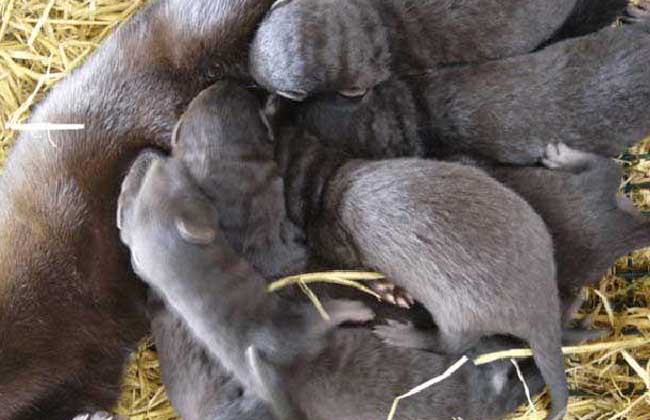
Mink are mainly nocturnal, eating small rodents, as well as mole crickets, frogs and fish. They live in burrows along stream banks or in rock crevices, and some breeding farms raise mink for their fur. Dark brown fur predominates. The North American mink is somewhat larger in size and has now been introduced to European fur farms. The main commercial part of the mink is the pelt. Mink fur, fox fur and Persian lamb fur are the three pillar commodities of the world fur market.
Construction of Mink Sheds
Sheds are facilities for keeping mink warm in winter and cool in summer, and can be built according to local conditions using locally available materials. The specifications are generally 25-50 m long, 3.5-4 m wide, with an eaves height of 1.1-1.2 m. Some increase the span of a single shed (about 8 m), with breeding mink on both sides and pelt mink in the middle, which can improve the utilization rate of a single shed and, to a certain extent, improve fur quality.
Cages are the place where mink move about, feed, excrete and reproduce. The cage is woven from wire mesh, and the nest box is mostly made of 1.5-2 cm wooden boards, with various specifications. Single-layer cage: the cage frame is 70×30×40 cubic cm (length×width×height). The nest box is 30×30×30 cubic cm or 45×35×45 cubic cm. Double-layer cage: the lower layer is for breeding mink, the upper layer for pelt mink or young mink. The breeding mink cage is 65×60×45 cubic cm, the nest box is 45×40×40 cubic cm, the pelt mink cage is 50×45×40 cubic cm, the nest box is 56×30×23 cubic cm, and one nest box connects to form two compartments. There are many styles of mink cages, but they are required to be simple and durable, not affecting the animals' movement, not letting mink escape, meeting hygiene conditions, and convenient for management and operation. The size of the mink cage is determined according to the different uses of the mink.
Types of Mink Feed
1. Animal-based feed
In the process of mink farming, animal-based feed usually includes fish feed, meat feed, meat by-products, dried animal feed, milk and egg feed, etc. Below, the editor will briefly introduce each of these mink feeds one by one.
① Fish feed
Fish feed is one of the important sources of animal protein for mink, with broad resources and low prices. There are many kinds of fish, which can be broadly divided into two types: marine miscellaneous fish and freshwater fish. Except for toxic fish such as pufferfish, all of these fish can be used as mink feed.
Fresh marine miscellaneous fish can be fed raw, which gives good palatability and high protein digestibility. Slightly spoiled marine miscellaneous fish need to be steamed and sterilized before being fed cooked. A small number of marine miscellaneous fish and most freshwater fish contain thiaminase, which destroys vitamin B1 (thiamine), and feeding them raw often causes vitamin B1 deficiency, so they should also be steamed and fed cooked.
When the entire animal-based feed in the mink diet is fish, it can account for 70%-75% of the diet weight, and multiple kinds of fish should be mixed for feeding, while attention should be paid to the supply of vitamin B1 and vitamin E to ensure good production results. If fish, meat and by-products are combined, fish can account for 40%-50% of the animal-based feed. Fish feed has a relatively high content of unsaturated fatty acids and is very prone to oxidative rancidity, and fish protein also spoils very easily. The proportional content of certain essential amino acids is also markedly different from that of meat, so the effect of raising mink entirely on fish is not as good as a fish-meat mixture, and the effect is even worse when the fish species are too limited in variety.
② Meat feed
Meat feed is an important source of complete-protein feed. It contains essential amino acids in amounts and proportions similar to those of the mink body, and also contains fat, vitamins and minerals. There are many kinds of meat feed with strong palatability, and the meat of various animals can be used as long as it is fresh, disease-free and non-toxic.
Meat feed can account for 15%-20% of the animal-based feed in the diet, and at most not more than 50% of the animal-based feed. When using meat feed, it needs to undergo health quarantine; disease-free meat can be fed raw, usable meat from diseased livestock and poultry or contaminated meat needs to be treated harmlessly at high temperature before it can be eaten, and unusable meat should be prohibited from being eaten. For measly pork, in addition to high-temperature and high-pressure treatment, part of the fat should be removed as much as possible. At the same time, increase the feeding amount of vitamin E, and combine it with a certain proportion of low-fat small miscellaneous fish, rabbit heads, rabbit skeletons or fish meal, etc.
Meat has relatively high nutritional value, but its price is also relatively high, so it should be used rationally. During the breeding period and the growth period of young animals, the proportion of meat feed can be appropriately increased to improve the biological value of protein in the diet.
③ Meat by-products
Meat by-products include the heads, skeletons, internal organs and blood of livestock and poultry, and have been widely used in production practice. Except for liver, heart, kidney and blood, these products have relatively low protein digestibility and biological value. Therefore, the amount of these by-products used to feed mink should be appropriate, and attention should be paid to combining them with other feeds. During the breeding period, care should be taken not to feed by-products containing hormones. Meat by-products generally account for 30%-40% of the animal-based feed.
④ Dried animal feed
Commonly used dried animal feeds include fish meal, dried fish, blood meal and feather meal, etc.
Fish meal contains 40%-60% protein and 2.5%-4% salt. When feeding mink with fresh high-quality fish meal, during the growth period of young animals it accounts for 20%-25% of the animal protein in the diet, and during the non-breeding period it accounts for 40%-45% of the animal protein. Fish meal has a high salt content, so it must be thoroughly soaked in clean water before use. During soaking, change the water 2-3 times.
Dried fish: the key to raising mink with dried fish lies in the quality of the dried fish. High-quality dried fish can account for 70%-75% of the animal-based feed in the diet, but during the mink breeding period, it must be combined with 25%-30% complete-protein feed (fresh meat, eggs, milk and pig liver, etc.). During the growing period of young mink and the winter fur growth period, it must be combined with fresh measly pork or added vegetable oil to make up for the insufficient fat of dried fish.
Blood meal contains more than 80% protein, among which it contains more lysine, methionine, arginine and cystine, and has a good effect on the growth of young mink and fur growth. Good-quality blood meal can be fed to mink, but it is not easy to digest, so the amount used should not be too high, generally accounting for 20%-25% of the animal feed in the diet. When feeding, the amount should be gradually increased, and after steaming treatment it should be combined with other feeds.