Detailed Guide to Mink Fur Identification Methods and Care Tips
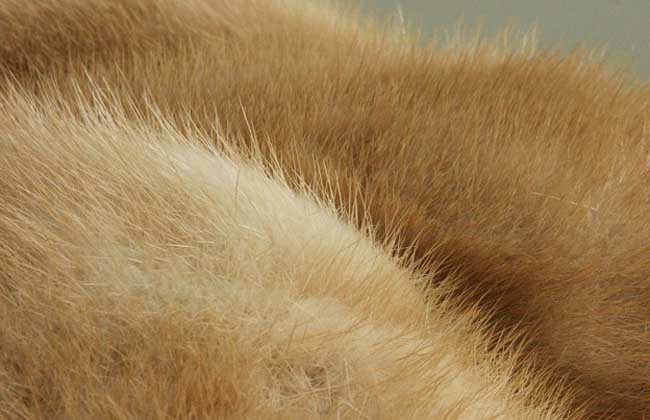
Mink fur is mainly produced in the Americas and Europe. Fur clothing made from it is elegant and luxurious, making it an ideal fur product. It has the reputation of being the "king of furs," and has therefore also become a symbol of wealth. Let's take a look below at the identification methods and care methods for mink fur!
Identification Methods for Mink Fur
1. High-quality mink fur: The guard hairs are straight, even, and of moderate thickness. The hairs are cylindrical or conical in shape and dark brown in color. The underfur is slightly lighter in color, fine, dense, and soft, with a glossy sheen. The fur color on the back and belly is similar, and the height difference between guard hairs and underfur is not significant.
2. Ordinary mink fur: The tips of the guard hairs are slightly curved and relatively even. The thickness of the guard hairs varies across different parts, and the density is moderate. The underfur is slightly lighter in color or appears dark gray. There is an obvious difference in color between the back and belly areas, and the fur is flexible and glossy.
3. Inferior mink fur: The guard hairs are not straight, with severe curling. The underfur is sparse, and the color is whitish.
Grade Classifications for Mink Fur
1. Selected grade: In-season fur, with abundant fur all over the body, flexible, even, uniform in color, good gloss, elastic, and free of defects.
2. Grade One: In-season fur, with complete fur all over the body, uniform in color, glossy and elastic, with slightly sparse underfur, and no injuries or defects.
3. Grade Two: Fur is slightly sparse and lacking in flexibility, basically uniform in color, lacking in gloss, with small localized injuries or defects.
Care Methods for Mink Fur
1. Fur clothing should be stored in a cool, dry environment. It should not come into contact with water or be exposed to direct sunlight. Fur that has been dampened easily sheds hair.
2. Before storing worn fur, first brush it once in the direction of the hair with a suitable brush to prevent skin flakes and insects from hiding in it. Use a wide-shouldered coat hanger to hang it. Do not use plastic bags or garment covers to cover a mink coat. It is best to store it in a silk garment cover.
3. If fur gets wet from rain or frost and snow, it should be hung in a cool place to air-dry naturally. Never heat it or expose it to the sun. After the rainy season, when airing fur, you must first cover the fur with a layer of cloth to avoid direct sunlight. After airing, wait until the fur returns to room temperature before storing it away.
4. Never alter it without authorization or brush the hair with an ordinary comb, and do not clean fur using ordinary methods. It should be taken regularly to a fur shop for cleaning to keep it smooth and beautiful.
5. Never let perfume, cosmetics, hairspray, or similar products come into contact with fur.
6. Never pin anything onto fur, and avoid carrying a backpack, so that the backpack straps do not rub against the fur and cause damage.
7. In summer, it is best to place fur in cold storage to avoid damage from high temperatures, humidity, and insects and ants.