Detailed Explanation of Key Technical Points for Mink Disease Prevention and Control
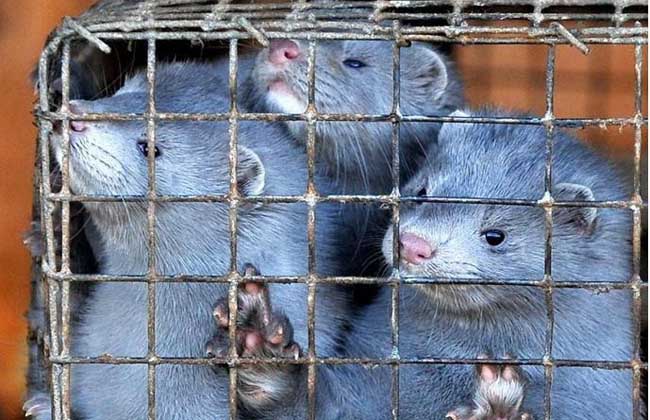
The main commercial product of mink is its fur. Mink fur is one of the three pillar commodities of the world fur market, with enormous market demand and very high breeding prospects. It is also one of the more common types of specialty breeding. Below, the editor will introduce the common disease prevention and control techniques for mink!
Mink Anthrax
[Symptoms] In the early stages of mink anthrax, the affected mink shows a sharp rise in body temperature, foaming at the mouth, unsteady gait, refusal to eat, and in most cases bloody urine and diarrhea, soon followed by difficulty breathing and death from convulsions.
[Treatment] Subcutaneous injection of 10-15 ml immune serum and 200,000 units of penicillin. Eliminate the source of infection and vaccinate against anthrax for prevention.
Pasteurellosis
[Symptoms] Pasteurellosis, also known as hemorrhagic septicemia, causes the affected mink to lose weight rapidly, with vomiting and diarrhea, blood in the stool, and in severe cases paralysis of the hind limbs and neck ulceration, with a very high mortality rate.
[Treatment] Subcutaneous injection of 15-20 ml polyvalent immune serum for pigs or chickens (halved for kits or for prevention), intramuscular injection of 200,000 units of penicillin or 100,000 units of oxytetracycline, or 0.1-0.2 g of streptomycin.
Mink Canine Distemper
[Symptoms] In the early stages of canine distemper in mink, the affected animal refuses to eat and has a dry nose. Within 2-3 days, acute rhinitis and conjunctivitis appear, with sticky tears and nasal discharge, sneezing, followed by neurological dysfunction and spasms of the whole body muscles.
[Treatment] Subcutaneous injection of polyvalent canine distemper immune serum combined with sulfonamide preparations and penicillin, or subcutaneous injection of 2 ml of Shan's vaccine, injected continuously for 14 days.
Pustulosis in Mink Kits
[Symptoms] Pustulosis in mink kits mostly occurs 5-6 days after birth.
[Treatment] Drain the pus, disinfect, apply penicillin, and orally administer chlortetracycline, glucose, and multivitamins. The mother mink should be fed chlortetracycline, vitamin C, and B1.
Yellow Fat Disease in Mink
[Symptoms] Yellow fat disease in mink is mostly seen in young mink and often occurs in July-August. In the early stage of the disease, appetite decreases or the animal refuses to eat, body temperature rises, breathing quickens, and the hind limbs become paralyzed, making it unable to stand.
[Treatment] 1. Acute type: intramuscular injection of 100,000-200,000 units of penicillin or 5-10 mg of vitamin E. 2. Yellow liver disease: intramuscular injection of 150,000-200,000 units of penicillin, or additionally inject “ATP” and glucose, etc. 3. Chronic type: intramuscular injection of 10-15 units of procaine penicillin oil and 5-10 mg of vitamin E, subcutaneous injection of vitamin B, B12, folic acid, etc. For those with bloody stool, additionally inject (or feed) vitamin C and K, and they can be injected alternately at intervals.