What Are the Prospects for Toad Farming? A Market Potential Analysis
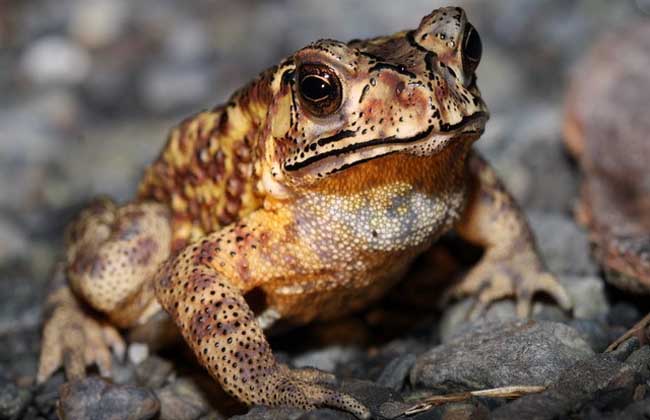
Toads, commonly known as lai ha ma, are not only guardians of the fields that prey on pests, but also provide humans with effective medicine. They are also a nutritious food animal, with meat more tender and delicious than that of frogs. In Shanghai and Zhejiang in China, the annual consumption at market exceeds that of frogs, because the toad is an animal of considerable economic value used both medicinally and as food. Toads (lai ha ma) are distributed throughout the country, with the Chinese toad (Bufo gargarizans) and the black-spectacled toad (Duttaphrynus melanostictus) being the largest in size, highest in value and best in breed quality.
The whole toad is a treasure. Toad venom (chan su) is the white milky secretion from the postorbital glands on the head and the skin glands of the toad, and is a traditional precious medicinal material in China. According to the Compendium of Materia Medica (Ben Cao Gang Mu), the toad has the effects of reducing fever, removing dampness and killing parasites, and is a key medicine for treating malnutritional diseases, carbuncles and various sores. According to medical analysis, toads contain substances such as toad toxin and arginine, as well as cardiotonic steroids, and are used very widely in clinical practice, with effects such as strengthening the heart, promoting diuresis, stimulating respiration, reducing swelling and opening the orifices, detoxifying and breaking up hard masses, and providing anesthesia and pain relief.
There are already as many as several dozen kinds of Chinese patent medicines made from toad venom in China, and they are also highly favored in overseas pharmaceutical markets. In recent years, demand for toad venom at home and abroad has been increasing day by day, and prices have soared, rising from 800 yuan per kilogram in 2005 to 1,800 yuan per kilogram in 2006. At present, however, domestic purchases of toad venom can only reach half of market demand, and the price of toad venom still tends to rise.
The skin shed by toads is called toad skin or toad slough. According to the Dictionary of Chinese Herbal Medicine, it is a medicine that can treat malignant tumors and other intractable diseases. It is mainly used for sores and swellings and for infantile malnutrition, and is now often used to treat tumors. In the wild, toads shed their skin dozens of times each year, but unfortunately it is often eaten by the toads themselves, so people rarely have a chance to collect it. Unless a toad sheds its skin while ill and leaves it in the grass or among piles of loose stones, it is extremely difficult to find. Although toads are found throughout the country, relatively few people have mastered the technique of collecting toad slough, and because of its unique medical effects, it is much sought after in major medicinal materials markets.
According to relevant sources, after being stimulated with two natural elements, toads naturally shed their skin about once every seven days, with very high yield, and without using a single drop of medicine to stimulate the toads; there are few broken skins and a high rate of intact skins, and the collected toad slough is a natural product.
At present, because of the heavy use of pesticides and chemical fertilizers, the environment has become polluted and the ecology has been damaged, and the number of toads has sharply decreased, so artificial toad farming has become a trend. Toads do not have high requirements for their habitat, and farming techniques are very simple, with almost no feed cost; installing electric lights in the breeding enclosure to attract insects for the toads to eat on their own is enough. Toads have a high reproduction rate, and a pair of toads can lay about 3,000 eggs per year. If large-scale farming can be achieved, and techniques such as toad venom extraction and toad slough collection and processing are also mastered, the economic benefits can be considerable.