How is toad venom collected and processed? A detailed explanation of the techniques and methods
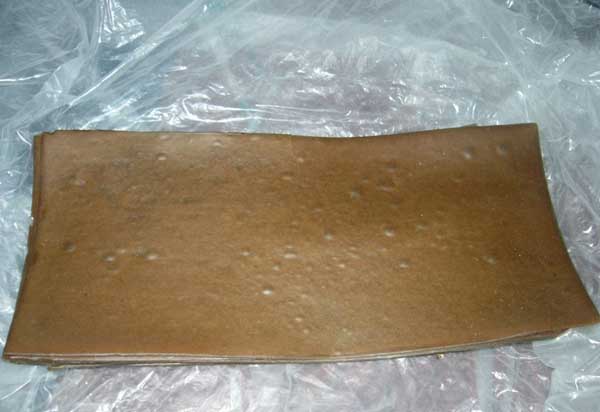
Toad venom is made by processing the secretions of the parotoid glands and skin glands of amphibians and reptiles in the Bufonidae family, and is a traditional Chinese medicinal material. The steroidal compounds, alkaloids and other bioactive substances contained in toad venom have multiple functions such as detoxification, pain relief, inducing resuscitation and anti-tumor effects, and are therefore widely used.
Collection techniques for toad venom
Summer and autumn, especially June and July, are the best period for collecting toad venom. Wash the mud off captured or domesticated green and adult toads, dry off the moisture, feed them pungent and spicy foods such as garlic and chili peppers, or lightly tap their heads with a small wooden stick to stimulate them to secrete more liquid, then use metal clips or bamboo clips or horn scrapers to squeeze and scrape the large wart granules near the ear bases on both sides of the head (parotoid glands) and the large and small wart granules on the back (skin glands) to obtain their liquid, and collect it in a non-iron container. When scraping, the technique and force should be moderate; too little force will fail to scrape it all and result in low yield, while too much force will mix in blood traces or fragments of skin and flesh and result in poor quality. If impurities are mixed in, they should be removed promptly with stainless steel tweezers or similar. Throughout the entire collection process, two points should be noted: first, the liquid must not come into contact with iron utensils, otherwise iron oxide will contaminate the toad venom and cause it to change color, affecting its medicinal value and administration effect; second, when scraping the liquid, special care must be taken not to let it splash into the eyes, otherwise it will cause eye poisoning, redness and swelling. If the liquid accidentally gets into the eyes, immediately wash with comfrey juice to detoxify, then rinse clean with clear water.
Processing techniques for toad venom
First pass the collected pure liquid through a 100-120 mesh copper sieve or nylon sieve to remove impurities, further mix it evenly, then pour the filtrate as planned into prepared model containers and air-dry it into tuan su or qizi su, or evenly spread it on flat glass and dry it into pian su. If the environment is dark and damp, it should be dried promptly at a temperature of about 60°C, otherwise it will ferment and deteriorate and be discarded.