How much does bullfrog farming cost roughly?
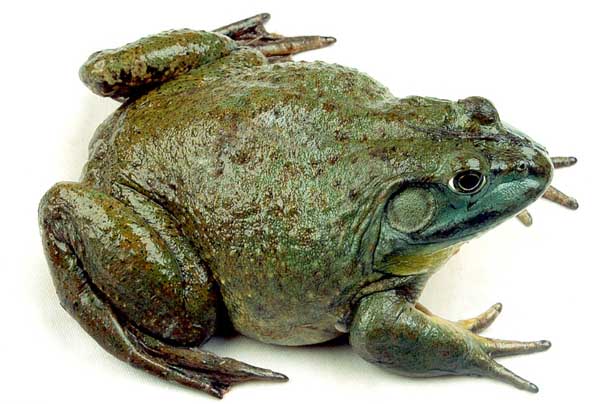
The farming cost of bullfrogs is mainly feed. How to control the farming cost of bullfrogs depends on your own actual situation. If you are a beginner, it is recommended to start small, accumulate bullfrog farming techniques, and explore sales channels to avoid major losses; if you are an experienced farmer, you should pay special attention to the bullfrog market and the price of bullfrog feed, as these two directly determine your income.
Farming environment
Bullfrogs like to live in quiet, warm and humid environments. The bullfrog farm is best chosen on flat, open land with an east-west orientation, so that the light hours in autumn, winter and spring are extended, and in summer there will be southeast winds, thus creating an environment that is warm in winter and cool in summer. The choice of the bullfrog farm should preferably be far away from roads, factories and noisy places, because places near roads and factories are easily affected by dust and harmful particles. For example, bullfrog rotten skin disease and tadpole ascites are all related to this. In addition, excessive noise will affect the growth rate of bullfrogs, lengthen the farming cycle and increase farming costs.
Water source and water quality
The water source of a bullfrog farm is best a river, lake or reservoir, because the water body is relatively large and the range of variation will be relatively small. Second, groundwater is also commonly used water for bullfrog farming, but in some places the groundwater is too hard, which also has a great impact on the growth of bullfrogs. The water quality standards for bullfrog farming can refer to fishery water standards. Generally, dissolved oxygen should be above 3.5 mL, pH should be between 6.8-8.0, and salinity should preferably not be higher than 2‰. Poor water quality easily leads to frequent bullfrog diseases. The most common bullfrog diseases include tadpole tail rot, red leg disease, head tilting disease, cataracts and so on. At present, many farmers believe that as long as disinfectants are used regularly during farming, the breeding of pathogens can be completely prevented. However, we must consider the overall farming cost. If the water source is good, the amount of medication used will be relatively reduced.
Farming management
The farming cycle of bullfrogs from tadpole to sale is more than five months, so how well the daily farming management is done directly affects the success or failure of farming. The amount of feed fed, the number of water changes, the amount of water changed and ordinary production management are all key. When frog prices are good, farmers like to feed excessive amounts of feed, because they think that the more feed is fed, the faster the bullfrogs grow. But everyone ignores one problem: bullfrogs' demand for feed is blind, and too much feed will inevitably affect the burden on the stomach, intestines and liver. For example, gastroenteritis, intussusception and liver and gallbladder diseases are all related to excessive feeding. In addition, changing the pond water is also a major factor, because how much water is changed and when it is changed will affect the health of the frogs. The normal method of changing water is: change the water once a day, and each time change 2/3 of the original pond water. Changing water this way can reduce irritation and lower the impact on their growth. The details of ordinary production management also need attention, such as disinfection of dip nets, placement of protective netting, and observation and judgment of on-site conditions.
Use of drugs and additives
Improper use of drugs is also an important factor leading to the failure of bullfrog farming. In the process of bullfrog farming, attention must be paid to ordinary preventive work. The farming water body and surrounding sites (including roads, ditches, etc.) can be disinfected periodically, which can better prevent cross-infection of pathogens. In addition, some additives such as liver-protecting types, stomach-strengthening types, multivitamin types and so on should be added to the feed regularly. Appropriate additives can enhance the immune capacity of frogs, thereby reducing the incidence of disease in bullfrogs. Many farmers do not know much about drugs and additives, and there are some problems in their use, such as: using strong medicine for mild illness, mixing multiple drugs, not using according to dosage, and randomly using medicine when the disease is urgent. These problems will affect the growth of bullfrogs, damage their internal organ functions, and in severe cases will aggravate bullfrog death. Therefore, in the process of bullfrog farming, choosing legitimate products, feeding normal amounts, and using correct medication methods can not only effectively save farming costs, but also reduce the harm caused by drugs and increase the survival rate.
In short, in the process of bullfrog farming, if we all follow scientific farming methods and reasonable farming practices, we can effectively reduce farming costs and increase the survival rate of farming, thereby improving the economic benefits of farming.