What Do Bullfrogs Eat? A Detailed Guide to Feeding Methods in Farming
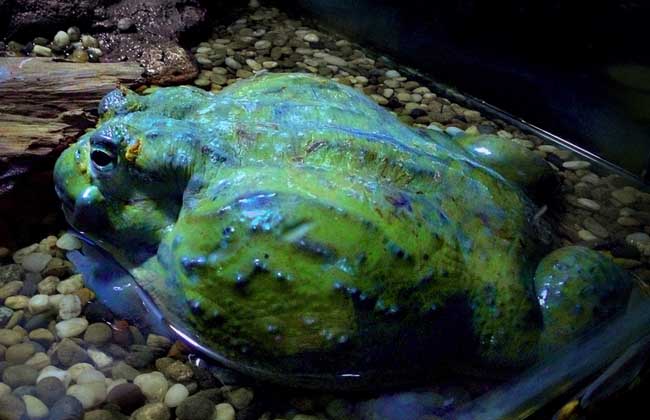
The bullfrog is native to several states in the eastern United States and was later introduced to western states and other countries. The bullfrog's diet consists mainly of animal-based feed, and it is especially fond of live bait. At different developmental stages, its feeding habits also differ. Let's take a look below at what bullfrogs eat!
Feeding Habits of Bullfrogs
1, The bullfrog is a carnivorous animal with a very broad food range, including annelids, arthropods, mollusks, fish, amphibians, reptiles and mammals. According to reports, bullfrogs mainly devour animal pests of crops (accounting for 82% of the total), while also swallowing a small amount of beneficial animals (accounting for 5.2%).
2, Bullfrogs also swallow some plant-based foods, mostly leaf fragments, flowers and plant seeds.
3, Bullfrogs are extremely voracious and have a large appetite. According to observations, one bullfrog will swallow 43.7 grams of food in a single night. The amount a bullfrog swallows is related to temperature changes: feeding is greatest when the water temperature is 21-30°C, the amount eaten is smallest at 20-14°C, and feeding stops below 14°C.
4, Bullfrogs also have extremely strong hunger tolerance, generally able to endure 4 months to one year.
What Do Bullfrogs Eat?
The bullfrog has a broad food range, but it is mainly animal-based food, and its feeding habits differ between the tadpole stage and the adult frog stage.
1, The tadpole stage is omnivorous, with little demand for food. Almost all plankton in the water can be consumed, and it can also consume ordinary fish feed. It is especially fond of cooked egg yolk, raw fish meat, liver, fly maggots and cooked potatoes, sweet potatoes, rice bran, peanut meal, etc. Other items such as tofu and fruit peels can also serve as bait.
2, Adult frogs are fond of live bait, preying on insects, crustaceans, small fish and shrimp, snails, worms, spiders, cicadas, locusts, crickets, termites, maggots, earthworms, as well as fish eggs and the young of waterfowl, etc. During artificial farming, they must be trained to accept food.
3, In addition, bullfrogs occasionally have the habit of larger ones eating smaller ones.
Farming Animal-Based Feed for Bullfrogs
1, Raising earthworms: On the land within the bullfrog pond, add cow dung, rotten fruit, rice-washing water, etc., mix with soil, and introduce breeder earthworms to let them reproduce. After a period of cultivation, the earthworms come out of the soil at night and move about, and can then be preyed upon by the bullfrogs. You can also use scattered wasteland, apply sufficient cow dung, etc. to cultivate earthworms. Each square meter can produce 5-7 kg of adult earthworms.
2, Luring insects with light: Above the feeding platform in the frog pond, 23 cm from the water surface, hang a 30-watt black light or violet light, which can lure down insects, planthoppers, etc. At night the bullfrogs will gather under the light to feed. This method works best from May to September. The light should be turned on after the sun goes down until the first half of the night; in the second half of the night there is more dew and fewer insects, so the light should be turned off to save electricity.
3, Raising golden apple snails: Use scattered ditches and ponds or build small pools, or breed and raise them in the frog pond water. In the high-temperature season they lay a pinkish-red egg cluster every 5-10 days, and each egg cluster contains about 1,000 eggs. After the eggs hatch, the small snails serve as bullfrog feed.
4, Sericulture: Use the space in front of and behind the house to plant mulberry and raise silkworms. Silkworms grow quickly, taking only about 20 days for a full generation. Young silkworms can be used to feed young frogs, and when they grow to the 4.5-5th instar, they can be used to feed adult frogs.
5, Raising yellow mealworms: Yellow mealworms are the best feed for bullfrogs. They are easy to raise and can be fed with just wheat bran and green vegetable leaves. However, the insects grow slowly, so the rearing volume must be expanded to ensure a feed supply.
6, Luring flies to breed maggots: Hang large-mouthed basins, trays, etc. 30 cm above the bullfrog farming pond, place bait such as waste livestock meat, fish innards, etc. inside to lure flies to breed maggots. When the maggots crawl away from the basin mouth and fall into the water, they become a delicacy for the frogs. You can also build a small pool, put okara into the pool, then add rice-washing water, etc., cover the surface of the pool, and after several days the maggots will have bred and can be fed to the bullfrogs.
7, Cultivating water fleas: Water fleas, commonly known as “red worms” and “fish worms”, are the ideal feed for small tadpoles. First drain the water in the culture pool, clean and disinfect the pool, then scatter 1 kg each of dry chicken manure, okara, etc. per square meter of pool (or other livestock and poultry fertilizer). It is best to expose it to sunlight for a week, then fill with 40 cm of water and introduce water flea seed stock. After a few days the pool water turns green, and after two weeks a large number of water fleas can breed in the pool water.
8, Using scraps: Disinfect and finely mash slaughter scraps from meat processing plants and restaurants, mix into compound feed and feed it. In places with silk reeling mills, silkworm pupae can be used as feed, and pig lungs and cow lungs can also be purchased, chopped and fed.
9, Catching small fish and shrimp: Farming sites located near rivers, lakes or fish ponds can regularly catch wild miscellaneous fish and small shrimp as feed.