Can Rosa roxburghii Lower Blood Pressure? A Detailed Analysis
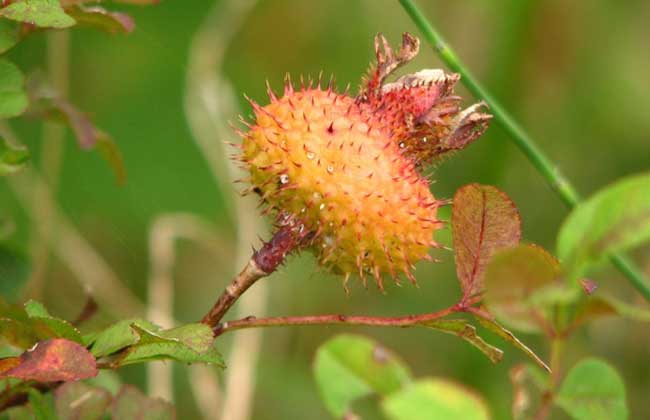
Rosa roxburghii is the fruit of the perennial deciduous shrub Rosa roxburghii in the Rosaceae family. It is a rare, nutritious health tonic fruit with high nutritional and medicinal value, possessing the effects of promoting digestion, relieving heat, and can be used to treat various diseases. Let us take a look below at whether Rosa roxburghii can lower blood pressure!
Can Rosa roxburghii lower blood pressure?
Rosa roxburghii can lower blood pressure. Rosa roxburghii is rich in superoxide dismutase (SOD), an internationally recognized active substance with anti-aging and anti-cancer effects. It also has antiviral and anti-radiation properties, and is widely used in the prevention and treatment of cardiovascular, digestive system, and various tumor diseases. When SOD enters blood vessels, it can clear deposited free radicals, turning precipitated lipoproteins back into a free state. Once blood vessels are unobstructed, diseases naturally lessen or resolve, and it is effective against cardiovascular and cerebrovascular conditions and in preventing senile dementia.
Nutritional Value of Rosa roxburghii
The flesh of Rosa roxburghii is thick, with a sweet and sour taste. The fruit is rich in sugars, vitamins, carotene, organic acids, more than 20 kinds of amino acids, over 10 kinds of trace elements beneficial to the human body, and superoxide dismutase. Its vitamin C content is especially high, the highest among current fruits, with 841.58 mg-3541.13 mg per 100 grams of fresh fruit, which is 50 times that of citrus and 10 times that of kiwifruit, earning it the title of “King of Vitamin C.”
Efficacy and Effects of Rosa roxburghii
[Nature and Flavor] Sweet and sour in taste, cool in nature.
[Meridian Tropism] Spleen, stomach, and large intestine meridians.
[Efficacy] Promotes digestion, relieves heat, and is used to treat food stagnation and abdominal distension, dysentery, enteritis, vitamin C deficiency, and other conditions.
1. Enhancing immune function: Rosa roxburghii juice not only significantly affects nonspecific immune function in animals, such as promoting normal spleen cell proliferation and enhancing intraperitoneal macrophage phagocytosis, but also has a marked effect on specific immune function, such as increasing the number of B lymphocytes, enhancing the antibody-secreting function of B lymphocytes, increasing peripheral blood T lymphocytes, and enhancing splenic natural killer cell activity.
2. Delaying aging: Rosa roxburghii juice can significantly reduce free radical content and lipofuscin levels in the heart, liver, and brain of animals, increase the numbers of lymphocytes, red blood cells, white blood cells, and neutrophils, and raise serum protein content, suggesting that Rosa roxburghii has anti-aging effects. Japanese scholars have found through research that Rosa roxburghii juice has a significant scavenging effect on superoxide free radicals, hydroxyl free radicals, diphenyl—2-picrylhydrazyl free radicals, and carbon-centered free radicals.
3. Anti-atherosclerosis: Consuming Rosa roxburghii juice can lower blood cholesterol, triacylglycerol, and lipid peroxide levels, increase SOD activity, regulate lipid metabolism in hyperlipidemia, reduce blood viscosity, alleviate lipid peroxidation damage, lessen the degree of arterial lesions, and prevent hypertension and arteriosclerosis. Rosa roxburghii juice can reduce various lipoproteins in a dose-dependent manner, with effects significantly higher than those of the same dose of vitamin C and vitamin E preparations. After oral administration of Rosa roxburghii juice in patients with coronary heart disease, plasma vitamin C and vitamin E levels increased significantly.
4. Detoxification effects
① Lead: Rosa roxburghii juice can significantly increase lead excretion in lead-poisoned rats, and can supplement SOD in the body, significantly raise SOD activity, reduce lipid peroxide content, and markedly enhance immune function in lead-poisoned mice. The lead-removing effect of Rosa roxburghii juice has a more comprehensive action than EDTA lead removal, and while removing lead it has no effect on essential trace elements in the body.
② Fluorine: Rosa roxburghii juice can antagonize the reduction in antioxidant capacity of liver and kidney tissues caused by high fluoride, antagonize the enhancement of lipid peroxidation in liver and kidney tissues, and restore the content of lipid peroxides in the liver and kidneys, thereby antagonizing liver and kidney damage and significantly reducing the elevated liver triglyceride content and γ-glutamyl transferase activity.
③ Manganese: Manganese poisoning can increase the body's manganese burden, raise copper content, and lower zinc content in the body. Rosa roxburghii juice can significantly increase fecal manganese excretion, reduce manganese content in serum and brain tissue, and supplement zinc content in serum and brain tissue.
④ Mercury: Rosa roxburghii juice can significantly increase urinary mercury excretion and serum vitamin C content, and significantly restore the reduced glutathione (GSH) content in serum, liver, brain, and kidney caused by chronic mercury poisoning.
⑤ Cadmium: Rosa roxburghii juice not only has a cadmium-removing effect, but can also antagonize the damage from free radicals and lipid peroxidation and protect kidney function.
5. Anti-tumor effects: Modern medicine believes that N-nitroso compounds are a strong carcinogen, and Rosa roxburghii can block the in vivo synthesis of nitrosamines. Research on human volunteers has proven that Rosa roxburghii can reduce the in vivo synthesis of nitrosamines by 75%. Rosa roxburghii juice has a significant inhibitory effect on the proliferation of human leukemia K562 tumor cells, and active components extracted from Rosa roxburghii also have a significant inhibitory effect on the proliferation of gastric cancer (MKN-45TSGC-7901), human liver cancer (SM-MMC7721), and endometrial adenocarcinoma (JEC) cells.
6. Stomach-strengthening effects: Rosa roxburghii fruit can strengthen the spleen and aid digestion, and has an atropine-like pain-relieving effect. The decoction of Rosa roxburghii root has medicinal value in preventing and treating stomach diseases and protecting the gastric mucosa.
7. Anti-stress effects: Rosa roxburghii can significantly enhance hypoxia tolerance and anti-fatigue ability in mice. Rosa roxburghii polysaccharides can also improve the ability of mice to withstand high and low temperatures.
8. Prevention and treatment of diabetes: Rosa roxburghii flavonoids can very significantly lower serum glucose and triglycerides in mice, raise serum insulin, significantly increase pancreatic SOD and catalase activity, and markedly reduce malondialdehyde (MDA), thereby protecting the pancreas and preventing diabetes.
9. Other effects: Research shows that Rosa roxburghii can also improve the fertility of male mice. In addition, Rosa roxburghii also has multiple effects such as eliminating fatigue, improving sleep, adding vitality, removing spots, and beautifying the skin, with the effect of strengthening the body.